








Chapel Hill Tubal Reversal Center
109 Conner Drive Suite 2200, Chapel Hill, NC 27514 (919) 968-4656

Tubal Reversal Blog ‘reversing tubal ligation’

Reversing Tubal Ligation Through a Small Incision

Saturday, November 8th, 2008

Reversing Tubal Sterilization

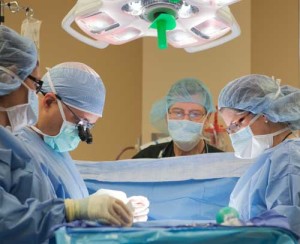
Tubal ligation reversal at Chapel Hill Tubal Reversal Center is a simple and safe outpatient operation for reversing tubal sterilization through a small incision that results in minimal discomfort and recovery time.

Dr. Gary Berger and Dr. Charles Monteith specialize in untying tubes. Women travel to Chapel Hill, NC from all over the United States and other parts of the world to have their tubes repaired after a previous tubal ligation. Over 7000 women have chosen to come here for their reversal procedures because we specialize exclusively in tubal ligation reversal, have perfected the outpatient approach to reversal surgery, and have the best success in terms of pregnancies after tubal reversal surgery.

Reversal Surgery Through a Small Incision

Patients often ask about the size and location of the incision for untying the tubes. The incision is about 2 to 3 inches in length at top of the pubic hair line similar to a “Bikini incision”. This incision is about one-third the length of an average C-section incision. In thin patients, it is not much wider than a quarter. It is sufficient, however, to be able to repair the tubes successfully. This type of incision results in the least amount of pain after reversal surgery and the fastest recovery time. Heavier patients, or those who have had multiple abdominal operations, may require longer incisions.

Reducing Postoperative Pain

Factors that cause postoperative pain are:

Length and location of the surgical incision
Using retractors to expose the pelvic organs
Using packs to push away the intestines

Our surgical techniques minimize postoperative pain. We use a small, transverse (cross wise) bikini line incision. We avoid routinely using retractors and packs. Patients at Chapel Hill Tubal Reversal Center are much more comfortable than after standard abdominal surgery. This avoids the high cost of having to recover in a hospital.

Pride in Our Tubal Reversal Mission

The tubal reversal doctors at Chapel Hill Tubal Reversal Center specialize exclusively in repairing fallopian tubes. What do we mean when way say this?

We do not talk patients into in vitro fertilization (IVF).
We make tubal reversal affordable.
We provide ongoing postoperative follow-up.
We have the best results leading to pregnancy.

As tubal reversal specialists, we provide a safe and comfortable outpatient approach for reversing tied tubes. This makes tubal ligation reversal the best option for women who want to have more children or who simply want their bodies restored to normal after a surgical sterilization.

We take great pride in making tubal ligation safe and affordable for women throughout the world.

Reversing Tubal Ligation and Finding Ovarian Endometriosis

Thursday, October 30th, 2008

This article profiles a patient who came to Chapel Hill Tubal Reversal Center for reversing tubal ligation at which time she was found to have ovarian endometriosis.

Travel from California

The patient and her husband traveled from Monterrey, California for tubal ligation reversal. She is 44 years old and is a banker. She has two children from previous marriage, ages 12 and 15. Her husband is a meteorologist. He has two children from a previous marriage, ages 16 and 18. They moved from Texas to California and have been married together for 1 year and 3 months. Together, they desire a child of their own.

IVF Evaluation

Prior to traveling to visit us, they had a consultation with a reproductive endocrinologist near where they live. They expressed dissatisfaction with their consultation because they felt the doctor only wanted to offer them in-vitro fertilization (IVF). They did consider IVF but decided the procedure was not for them. During the preoperative consultation they specifically stated:

“We wanted to have a baby as God intended it.”

They did their own search for tubal reversal doctors and chose to come to Chapel Hill Tubal Reversal Center because we specialize exclusively in reversing tubal ligation. They felt their chance for a successful reversal procedure would be best at our center.

Preoperative Evaluation and Surgery

She was a healthy person and denied any known preexisting problems or menstrual abnormalities.  We reviewed her tubal ligation operative and pathology reports that described at least 3 cm removed from each fallopian tube. We discussed their expectations and the risks and benefits of tubal reparative surgery.

During her surgical procedure and upon entering the abdominal cavity, we discovered brown fluid suggesting the presence of endometriosis. Close inspection of the right ovary revealed endometriosis inside of it and partially involving the right tube.

We removed the endometriosis and repaired the right tube. The left tube and ovary were normal. The left tube was repaired without difficulty.

She did well during the surgery. In the recovery room, we informed her and her husband of the unexpected endometriosis and the successful repair of both fallopian tubes.

Endometriosis

Endometriosis can be suspected in most patients based on a careful evaluation of a menstrual history. Many women with endometriosis will have extremely painful menstrual periods. Menstruation can be so painful patients may require large amounts of pain medications, miss time from work, or will have pelvic pain which drastically affects their  personal lives. Many women give a history of severe pelvic pain, especially with intercourse and will plan their sexual activity based on their menstrual cycles. Many patients, like this one, can have minimal or no symptoms of endometriosis.

We could not have predicted this patient’s endometriosis in advance because of her absence of preexisting symptoms. Fortunately, we were able to successfully reverse her tubal ligation and remove the endometriosis at the same time.

We wish her well on her trip back to Monterrey California and hope a healthy pregnancy will be in her near future.

Meet Katharine…

Monday, October 27th, 2008

Katherine is planning to be a future reversal patient of Chapel Hill Tubal Reversal Center in the fall of 2008. She discovered us while searching the Internet.

Here Katharine tells her story in her own words…

My ligation was two years ago. A month later, while getting ready for a wedding, I destroyed my bathroom upstairs in my home!

My boyfriend was in total shock! He flew up the stairs to see what in the world was going on up there. I had a “fit of rage”. It was awful. It is still very embarrassing to talk about. I do not have a history of mental illness or mood disorders. This ‘fit’ was extremely terrifying for me and for my boyfriend. After calming myself enough to grab the phone, I called my gynecologist. It was a Saturday and the Doctor on call suggested I seek psychiatric help.

Still shaking, and holding the phone in my lap…I thought for a moment…”Maybe I am crazy.”
Needless to say I never made it to the wedding, as I was afraid that I might have another “episode”. A few months later…my boyfriend moved out because he never knew what kind of woman he would come home to. The sad part is I’d wake up and wonder what kind of woman I would be that day. My instinct told me the tubal ligation was the cause of my emotional instability. I just knew it. It was intuition.

I made an appointment with the Doctor who performed the ligation (Filshie clips). When my name was called, I was ushered into the Nurse’s office instead of my Doctor’s office. The nurse explained the Doctor heard I was there to talk about a reversal and wanted to relay to me he “does not do reversals and is not aware of any post ligation symptoms and that I should seek professional psychiatric help.” I left crying.

I then called a psychiatrist who put me on Depakote, Lamectil and Klonopin. I informed her I have Post Tubal Ligation Syndrome (PTLS) symptoms PTLS, but I think she feels I’m bi-polar. The medication does help with the violent mood swings and depression.

The main symptoms are:

daily headaches
2-week PMS
7-8 day HEAVY periods (pass clots the size of walnuts)
anxiety, panic attacks, depression
pitting edema in ankles
fits of rage
uncontrollable crying spells
during ovulation..I have to sit on a pillow while driving and can’t sit flat on my chair at work. Pain with walking
sharp pains in my right side
pain during and after sex (especially after…I curl up in ball and suffer)

I have a small 10-acre farm with horses, dogs, and cats and soon…pigs! I don’t have time to be a pain ridden Tasmanian devil. I love my job, my family, my farm and it is so hard to enjoy it all when PTLS rules my life. I feel all of this is about to change now that I have found Chapel Hill Tubal Reversal Center!

Most importantly…My boyfriend and I have started dating again after a year apart. I showed him all of the emails, websites, etc that explain why I am the way I am…

A complete discussion of Post Tubal Ligation Syndrome and the stories of other PTLS patients who have undergone tubal reversal can be seen in our blog series on PTLS. The first of fourteen articles is Pain After Tubal Ligation: A Symptom of Post Tubal Ligation Syndrome? .

Readers can also view other patient submitted stories about their menstrual symptoms, reasons for reversing tubal ligation, and outcomes after reversal reversal surgery. Each patient’s story is listed below:

Meet Momzilla
Meet Andrea
Meet Rebecca
Meet Praybelieving

We invite readers to join our Tubal Reversal Message board and discuss and share personal experiences with tubal ligation. We also have a dedicated PTLS forum for readers to share experiences of worsening symptoms after tubal ligation procedures.

Meet Praybelieving…

Thursday, October 23rd, 2008

tubal reversal patient with post tubal ligation syndrome

I am a Registered Nurse and have worked most of my career in Cardiac Surgery Intensive Care Unit. I took a three year break and worked in Labor and Delivery and really loved that, as you can imagine…EVERY day was THE best day of each of my patient’s lives. I loved being a part of it and was emotional during just about all of my deliveries! My husband is a wealth builder…he owns his own financial firm and does investment/financial advising.

We have a happy family with 5 children and would feel blessed with another child biologically or through adoption; unfortunately both of us were sterilized during our previous marriages. No one ever plans for their spouse to leave, their marriage to be torn apart, and be left infertile. As my new husband and I had very similar stories, morals and beliefs and united in marriage and family, we thought long and hard about adding to our family to essentially “tie” our children together with a half sibling– so that when they are older and we are gone, they will still be close and not drift apart. This is what led me to do my research about tubal reversal surgery and what led me to Chapel Hill Tubal Reversal Center.

Before this point, I had NO IDEA that Post Tubal Ligation Syndrome (PTLS) existed and I did not know all of my many symptoms were probably linked together due to the decision I made to have my tubes tied in 2003 after the birth of my daughter. I researched PTLS even further and found a very long list of symptoms and just cried as I showed the list to my husband one night. I was literally astounded.

I remember my mom telling me before I had my tubal ligation she had always heard a “Tubal ligation makes you have much more severe cramps and heavier periods”.

I asked my OB/GYN this question as I was making my decision (I worked with this doctor in L&D at the time) and she said this was not true at all. It is evident that many physicians do not recognize PTLS as a true syndrome and it’s saddening. I am very blessed that my husband empathized with me and all the symptoms I had and supported me in having the tubal reversal for symptom relief, without a second thought. I had my tubal reversal 7/31/08 and if it is God’s plan to add to our family, He can provide that miracle…but if not or until then…I am extremely happy to have had the opportunity to be “reconnected” by Dr. Monteith.

Below is a list of symptoms that I found on a PTLS website and I listed the symptoms I have (there were many, many more).

1. Bouts of rapid heart rate: In 2005, I was having palpations so frequently that I saw a cardiologist that I worked with at the time. He did a stress echo, which was fine, but placed me on a beta blocker medication due to the symptoms interfering with my everyday life. I have since weaned off of the medication myself and it only happens on occasion now.

2. Irritability/mood swings/PMS: I was never this bad before…I’m a very pleasant, laid back person and the past 4 years or so, my PMS symptoms have increased in length more and more until it was about 2 weeks long, and it would go away two or three days after my cycle was over.

3. Trouble sleeping thru the night: Absolutely! I have had severe insomnia since 2003 or 2004. Of course, my doctor gave me another pill to help this symptom…but I hate having such trouble sleeping and try not to take the medicine. I have tried hypnosis, herbs, melatonin, Benadryl, and acupuncture…many things other than using the prescription medicine.

4. Irregular periods: Not so much irregular, meaning I have 25-28 day cycles, but HEAVY and EXTREMELY painful…To the point of being doubled over in pain for the first two days of my cycle and curled up in a ball. It’s worse than any labor I had before I had to have my C-section. A couple of years ago, I would bleed up to 11-14 days every month and I was advised to have a hysterectomy due to the pain and bleeding. Being age 32 at the time, I refused to go that route.

5. Anxiety: I was never a very anxious person before. I have had increased anxiety, to the point I talked to my doctor about it (I was also going through a difficult time)…and was given yet another medication to try. It did help, but it was an antidepressant used for anxiety and was very hard for me to get off of once I decided I did not want to be on medication anymore.

6. Decreased energy: My energy level has dropped so much, but I just figured it was from getting older. I’ve never been a morning person, but this is much worse…it’s like constantly being tired and sluggish.

7. Feelings of doom/apprehension/despair: Some months, not all (especially a couple years back), my PMS symptoms are so severe, that it makes me think very sad thoughts…and it’s always about 2 days at the end of my cycle (which is the same point my migraines come as well…so it could be related).

8. Depression: I’ve had some bouts of what I call depression (non diagnosed) over the last few years…my “depression” is more in the form of anxiety/overwhelming feelings and wanting to sleep and not face anyone.

9. Headaches: Migraines…I used to have them in college when I was on birth control pills. Finally, when they figured out it was probably the hormones and I came off the birth control pills; I did not have any more migraines, until AFTER my tubal ligation. I’ve been on a migraine medication for over a year and use a different one if it gets out of hand. They can be debilitating.

10. Weight gain: I have had a very difficult time trying to lose my ‘baby weight’ from my last pregnancy from 2003 and tubal ligation. Although I had always been proportioned before, the worst of my weight now is around the middle.

11. GI problems: I have had reflux or heartburn since my tubal ligation as well.

I have only had one cycle since my tubal reversal, so I will be watching for much symptom relief!

A complete discussion of Post Tubal Ligation Syndrome and the stories of other PTLS patients who have undergone tubal reversal can be seen in our blog series on PTLS. The first of fourteen articles is Pain After Tubal Ligation: A Symptom of Post Tubal Ligation Syndrome? .

Readers can also view other patient submitted stories about their menstrual symptoms, reasons for reversing tubal ligation, and outcomes after reversal reversal surgery. Each patient’s story is listed below:

Meet Momzilla
Meet Andrea
Meet Rebecca
Meet Katherine

We invite readers to join our Tubal Reversal Message board and discuss and share personal experiences with tubal ligation. We also have a dedicated PTLS forum for readers to share experiences of worsening symptoms after tubal ligation procedures.

Rebecca after tubal ligation reversal…

Monday, October 20th, 2008

At the age of 32, Rebecca underwent a tubal ligation in 1995. Within one year, she began to notice worsening menstrual symptoms which were attributed to Post Tubal Ligation Syndrome (PTLS). She dealt with these symptoms for 12 years before deciding to undergo tubal ligation reversal surgery.

Her story prior to tubal ligation reversal can be read in the article entitled Meet Rebecca. Rebecca reported her symptoms after tubal ligation as:

Loss of libido
Losing more that the normal amount of hair daily
Unexplained Weight gain
Loss of sexual arousal
Loss of natural lubrication
Painful intercourse
Depression
Isolation
Spotting
Heavier cycles
Unexplained Joint pain
Migraine headaches
Severe Mood Swings
Severe Temperature fluctuations

Rebecca’s Tubal Reversal Surgery

Rebecca underwent an outpatient tubal ligation reversal in July 2008. Drs Berger and Monteith performed her surgery. Rebecca’s fallopian tubes were found to be in good condition and she had a successful bilateral, microsurgical tubotubal anastamosis. Her surgery lasted 88 minutes. She was subsequently released to the local Sheraton hotel, was seen the next day by a Chapel Hill Tubal Reversal Center staff member, and was then discharged to home. She has recovered from reversal surgery without any complications.

Rebecca After Surgery

Rebecca’s report on her symptoms since having reversal surgery:

As far as my symptoms at this point:
I believe it is too early to really notice any changes but here are the few that I am aware of this month.
I am thinking about intimacy once again and I feel that my libido is coming back.
Intercourse was not painful.
My headache this month lasted only one day.
My moods are still erratic and my hair continues to fall out.
I plan to keep track of my feelings, including the desire for intimacy, and sexual arousal signs; in addition to other symptoms.
I believe hormone testing is important before and after a tubal reversal. Perhaps every 3 to 6 months along with keeping a journal of menstrual symptoms.

CHTRC Series of Worsening Menstrual Problems After Tubal Ligation

This is the twelfth article in our fourteen part series on PTLS and associated medical conditions. Our first article, Pain After Tubes Tied: Symptom of Post Tubal Ligation Syndrome?, reviews symptoms associated with PTLS.

Our next several articles will continue to present patients who have suffered from worsening menstrual, physical, and emotional symptoms after surgical sterilization procedures ( women who had their tubes tied).

Readers can also view other patient submitted stories about their menstrual symptoms, reasons for reversing tubal ligation, and outcomes after reversal reversal surgery. Each patient’s story is listed below:

Meet Momzilla
Meet Andrea
Meet Praybelieving
Meet Katherine

We invite readers to join our Tubal Reversal Message Board and discuss and share personal experiences with tubal ligation. We also have a dedicated PTLS forum for readers to share experiences of worsening symptoms after tubal ligation procedures.

Andrea after tubal ligation reversal surgery….

Monday, October 13th, 2008

Andrea describes her recovery and improvement of symptoms after tubal ligation reversal surgery. Her story prior to ligation reversal is Meet Andrea.

Andrea after tubal reversal surgery in her own words…

I had my tubal ligation reversal surgery on 7/30/08. I was on my second day of my period that day. After surgery, I bled for only four more days!

This past month was the first month I had NO migraine or cluster headaches, no odd bleeding or cramping, and I have now started my period. I started right on time, and had tolerable cramps with NORMAL moderate blood flow. This isn’t the blood flow that has caused me to leave in the middle of church-weak, nauseated and pale. I am so very happy that I can live without the exhaustion of anemia during my period, and not live in fear that one time will just be too heavy to be OK. I don’t have to live with the pain, constant moisture, showering 2-3 times a day and clotting.

Most importantly, I’ve given God control over my body. I don’t have to cry and grieve over the loss of a possible future child, nor do I have to cry over the pain and turmoil my physical body is in.

Andrea has exciting news…

Andrea has become pregnant almost two months after her tubal ligation reversal! Her baby is in her uterus and things seem to be progressing well.

The staff of CHTRC wishes Andrea and her family good luck with their first tubal reversal baby. Undoubtedly, there is nothing like a pregnancy to cure bad menstrual periods!

This is the tenth article in our fourteen part series on PTLS and associated medical conditions. Our first article, Pain After Tubes Tied: Symptom of Post Tubal Ligation Syndrome?, reviews symptoms associated with PTLS.

Our next several articles will present patients who have suffered from worsening menstrual, physical, and emotional symptoms after surgical sterilization procedures ( women who had their tubes tied).

Readers can also view other patient submitted stories about their menstrual symptoms, reasons for reversing tubal ligation, and outcomes after reversal reversal surgery. Each patient’s story is listed below:

Meet Momzilla
Meet Rebecca
Meet Praybelieving
Meet Katherine

We invite readers to join our Tubal Reversal Message Board and discuss and share personal experiences with tubal ligation. We also have a dedicated PTLS forum for readers to share experiences of worsening symptoms after tubal ligation procedures.

Momzilla Reveals Her True Identity

Monday, October 6th, 2008

Momzilla is actually Tracy.  She is a 43 year-old married, mother of three and is employed as a Senior Human Resource Manager. Tracy is married to Glenn who is a Transactional Real Estate and Business Attorney. In the previous article, Meet Momzilla, Tracy described her symptoms of Post Tubal Ligation Syndrome (PTLS).

Tracy is currently four months out from her tubal ligation reversal surgery and both she and her husband describe her recovery.

In their own words….

Tracy

“Just weeks after my reversal the first thing I noticed was that I had lost the overwhelming sense of dread that had been shadowing me. As I was still healing from the surgery I was less fatigued and more energetic. My mood and outlook were “lighter”. My emotional healing began quickly and the physical healing soon followed. As the weeks passed I noticed improvement in my hair, skin and nails. I was sleeping again and my fogginess and inability to concentrate improved. I have not had a PMS headache, dizziness or tingling in my extremities. Each menstrual cycle since the reversal has gotten progressively better and more “normal”. My exaggerated and prolonged PMS symptoms have diminished. At about 6 weeks post reversal I got my libido back and, for that, my husband is eternally grateful (LOL!). I was no longer feeling like a stranger in my own body. Aside, of course, from getting my health back, the best part of my recovery has been re-connecting with my family. I feel like I have gone from the evil “Momzilla”, tired, moody and short-tempered all the time to just plain “Mommy” again. I feel at ease again in my own skin and with life. I no longer wake up dreading what symptom might take control of me. Shortly after the surgery, Glenn said to me “Welcome back, I missed you…”. In good times and in bad, he and I have always “loved” each other, but, for the duration of time that PTLS held me hostage, we “lost” our connection to each other. After the reversal, along with my obvious physical healing came the healing of my marriage and my family. It still amazes me that, after 3 years of suffering, I could see relief from my symptoms so quickly. I hope, through this series of blogs, that more women and their families as well as their physicians can be educated about PTLS and know that a reversal can bring them new hope for restoring their health and their lives.”

Glenn

Aside from the symptoms, the tragedy of PTLS is that we could have ended up divorced if Tracy didn’t have an inquisitive mind and, after almost three years, discovered PTLS online. From my viewpoint, PTLS transformed my best friend and wife into a detached unaffectionate roommate. Since the medical community did not recognize the possible effect of the tubal ligation procedure, we did marriage counseling which, of course, was unhelpful at best and could not succeed since the cause of the problem was biological. With no other explanation available from medical “experts”, we went through a series of episodes of “blame” with pop-psychology reasons to explain disinterest, depression and other symptoms that we didn’t know were symptoms. I received some truly bad advice from well-meaning sources. Symptoms like memory loss also put a strain on day-to-day living. In the end, we made it through because we started with love, a strong relationship and mutual respect. I have to wonder how many marriages have ended without ever knowing the reason?

I hope that the data compiled by the Chapel Hill Tubal Reversal Center can be used to provide proof to the medical community of this syndrome because it could help so many families if doctors provided pre-tubal ligation counseling and recognized this a possible cause of common symptoms experienced by women.

This is the eighth article in our fourteen part series on PTLS and associated medical conditions. The first article of this series, Pain After Tubes Tied: A Symptom of Post Tubal Ligation Syndrome?, discusses the most common symptoms associated with PTLS.

Our next several articles will present stories of our patients who have sufferred from worsening menstrual, physical, and emmotional symptoms after surgical sterilization procedures ( women who had their tubes tied).
Readers can also view other patient submitted stories about their menstrual symptoms, reasons for reversing tubal ligation, and outcomes after reversal reversal surgery. Each patient’s story is listed below:

Meet Andrea
Meet Rebecca
Meet Praybelieving
Meet Katherine

We invite readers to join our Tubal Reversal Message board and discuss and share personal experiences with tubal ligation. We also have a dedicated PTLS forum for readers to share experiences of worsening symptoms after tubal ligation procedures.

Post Tubal Ligation Syndrome | A Long Journey

Monday, September 29th, 2008

Post tubal ligation syndrome journey.

Some women will develop problems after a tubal ligation procedure. Many will attribute these symptoms to Post Tubal Ligation Syndrome (PTLS) and will consider sterilization reversal. Some of these women will not have PTLS but, instead will have other underlying  medical conditions.

We started this series of articles for women suffering from adverse symptoms developed after a tubal ligation. We discussed the symptoms of Post Tubal Ligation Syndrome (PTLS), current medical studies about PTLS, and common medical conditions that can closely mimic PTLS. Like a long bus ride, we have expected most passengers to have exited this bus trip at each of their respective and appropriate stops after a thorough evaluation of the possible causes of their symptoms. If passengers are still riding, then the only stop left is PTLS.

In the past, the existence of PTLS has been widely debated but not agreed upon in various medical studies. The largest study to date, the CREST study, found no significant difference in the percentage of women with menstrual problems after a tubal ligation with a “control” group of women who did not have a tubal ligation. The authors of the CREST study concluded that adverse symptoms do not ocurr as a  result of tubal ligation. This study, however, was not designed to study the multitude of symptoms that women report after surgical sterilization.

The end of the journey

Our experience at Chapel Hill Tubal Reversal Center suggests PTLS does exist for a select group of women for whom no contributing medical, psychological, or other causes have been identified. Among this group of women, the vast majority have reported dramatic improvement in their symptoms after a reversal of their tubal ligation.

We will report the stories of several of our patients (both before and after tubal ligation reversal) who have had worsening physical and psychological conditions after sterilization and who have come to us seeking tubal ligation reversal. They will share with us their symptoms and how they have fared after tubal ligation reversal (had their tubes untied).

This is the sixth article in our fourteen part series on PTLS and associated medical conditions. Our next several articles will present patients who have suffered from worsening menstrual, physical, and emotional symptoms after surgical sterilization procedures (women who had their tubes tied).

Readers can also view patient submitted stories about their menstrual symptoms, reasons for reversing tubal ligation, and outcomes after reversal reversal surgery. Each patient’s story is listed below:

Meet Momzilla
Meet Andrea
Meet Rebecca
Meet Praybelieving
Meet Katherine

Visitors may join the PTLS Forum on the Tubal Reversal Message Board to share their experiences of symptoms after tubal ligation procedures and what happened to them after a tubal reversal.

Psychological Conditions or Post Tubal Ligation Syndrome?

Thursday, September 25th, 2008

The ligation reversal specialists at Chapel Hill Tubal Reversal Center are experts in tubal ligation reversal. We evaluate and treat a large number of women who request sterilization reversal. While most women seek ligation reversal to have more children,  some seek relief from worsening physical and psychological symptoms experienced after they had their sterilization procedures. Many of these women report symptoms of Post Tubal Ligation Syndrome (PTLS). Previously, we described medical conditions that can mimic PTLS. This article describes common psychological conditions that can have symptoms similar to PTLS. These conditions can exist independently of a sterilization procedure or could be associated with the profound guilt and regret some women experience after sterilization.

Depression

Depression is a common condition affecting many people. Depression can be categorized into several types; however, for simplicity we will focus on major depression.

Major Depression

Symptoms of major depression last for a minimum of six months and may include:

• Loss of interest in normal daily activities
• Feeling sad or down
• Feeling hopeless
• Crying spells for no apparent reason
• Problems sleeping
• Trouble focusing or concentrating
• Difficulty making decisions
• Unintentional weight gain or loss
• Irritability
• Restlessness
• Being easily annoyed
• Feeling fatigued or weak
• Feeling worthless
• Loss of interest in sex
• Thoughts of suicide or suicidal behavior
• Unexplained physical problems, such as headaches

There are many overlapping symptoms between major depression and Post Tubal Ligation Syndrome. Identifying the symptoms of depression can be easy, but identifying the cause of depression can be difficult.

Anxiety

Generalized anxiety disorder can be a common condition. Anxiety is characterized by excessive or exaggerated worry about life events. People with symptoms of generalized anxiety disorder tend to expect disaster and can’t stop worrying about health, money, family, work or school. The degree of worry is often unrealistic or out of proportion for the situation. Daily life becomes a constant state of worry, fear and dread. Eventually, the anxiety so dominates thinking that it begins to interfere with daily functioning, including work, school, social activities and relationships.

Generalized Anxiety Disorder

The symptoms of generalized anxiety disorder may include:

• Excessive, constant worry and tension
• An unrealistic view of problems
• Restlessness or a feeling of being “edgy”
• Irritability
• Muscle tension
• Headaches
• Sweating
• Difficulty concentrating
• Nausea
• The need to go to the bathroom frequently
• Tiredness
• Trouble falling or staying asleep
• Trembling
• Being easily startled

People with anxiety disorders have an extreme sense of nervousness, panic, and inability to concentrate or focus. They may have depression as well. Anxiety can be generalized (happens during most of the day without any apparent cause) or can be situational (triggered by a specific event).

Post Traumatic Stress Disorder

Post traumatic stress disorder (PTSD) can develop after a person has experienced a traumatic or terrifying event in which serious physical harm occurred or was threatened. PTSD is a lasting consequence of traumatic ordeals that cause intense fear, helplessness, or horror, such as a sexual or physical assault, the unexpected death of a loved one, an accident, or a natural disaster. Most people who experience a traumatic event will have reactions that may include shock, anger, nervousness, fear or guilt. For a person with PTSD, however, these feelings continue and even increase, becoming so strong that they prevent the person from living a normal life. Symptoms of PTSD often are grouped into three main categories:

• Reliving - This involves reliving the event through thoughts, memories, and dreams of the trauma. These may include flash backs, hallucinations, and nightmares. People with this form of PTSD may also feel great distress when events occur that remind them of the trauma they suffered.
• Avoiding - This involves avoiding people, places, thoughts or situations that are reminders of the trauma. This may lead to detachment from family, friends, and loss in interest in things that were once enjoyed.
• Increased arousal - This includes excessive emotions and problems relating to others, including difficulty feeling or showing emotion, difficulty sleeping, irritability, outbursts of anger, and difficulty concentrating. Physical symptoms may also occur.

Self Evaluation

Women seeking tubal ligation reversal may be at higher risk for the above conditions for various reasons, such as sterilization performed while in an abusive relationship, sterilizations done under pressure, or death of a child or spouse after a tubal ligation. It is helpful to discuss with yourself and your partner whether you may be experiencing symptoms of depression, anxiety, or Post Traumatic Stress Syndrome. The insights of a trusted friend or loved one help in this self evaluation. In some cases the advice and intervention of an experienced mental health provider may be helpful.

If you have had a tubal ligation and are experiencing any of the problems associated with Post Tubal Ligation Syndrome (PTLS), consider having an evaluation by your doctor for undiagnosed medical conditions. If  depression, anxiety or other symptoms interfere with your daily life, work, or relationships, then you may benefit by consultation with an experienced mental health provider.

PTLS Article Series

This is the fifth article in our fourteen part series on PTLS and associated medical conditions. Our next article, Post Tubal Ligation Syndrome|A Long Journey, will address our experience with Post Tubal Ligation Syndrome.

Readers can also view patient submitted stories about their menstrual symptoms, reasons for reversing tubal ligation, and outcomes after reversal reversal surgery. Each patient’s story is listed below:

Meet Momzilla
Meet Andrea
Meet Rebecca
Meet Praybelieving
Meet Katherine

We invite readers to join the Tubal Reversal Message Board and participate in the PTLS Forum to share personal experiences with physical or psychological symptoms following a tubal ligation.

Guilt or Regret about Tubes Tied…

Tuesday, September 23rd, 2008

Is it PTLS or another medical or gynecologic problem?

The symptoms of Post Tubal Ligation Syndrome (PTLS) can be widespread and pervasive. Women who have problems after a tubal ligation, however, may not have PTLS. Another medical or gynecological condition may be at the root of the symptoms. The prior article in this series on PTLS reviewed medical and gynecologic disorders that may cause menstrual problems after a tubal ligation.

Over 7,000 tubal ligation reversals have been performed at Chapel Hill Tubal Reversal Center. We have had the opportunity to see the impact on these women whose tubes have been tied and who, having regretted that decision, have had their tubes untied.

Under what circumstances were the tubes tied?

Often, the decision to have a one’s tubes tied is made under stressful circumstances. Sometimes the decision to have the tubes untied is made under similar circumstances. The staff of Chapel Hill Tubal Reversal Center has compiled a list of stressful reasons women have had tubal ligations or have come to us seeking ligation reversal. Stressful circumstances under which patients sometimes have a sterilization procedure or a sterilization reversal include:

• Forced by parent or spouse
• Pressured by doctor
• Frightened by medical conditions or illness
• Mid-life crises
• Empty nest syndrome
• Infidelity
• Divorce
• Death of spouse
• Fear of birth control risks
• Decision while in poverty
• Decision during period of substance abuse
• Illness/death of close family member
• Sterilization while in an abusive relationship
• Death of a child
• Religious conversion

Regret and guilt can be powerful forces on any individual. Given the appropriate stressful circumstances these feelings can be amplified and can spread into other aspects of ones life. When decisions are made under stressful conditions, as listed above, one can easily see how this may leave a lasting sense of remorse upon any individual. The sense of remorse can be even more dramatic when the thought is suppressed and eventually emerges in the future during a stressful life event. Then consider the sense of regret and how these feeling could be increased as a person grows older and wiser when a person finds their ‘life’s match’ or if their pastor tells them they ‘violated the will of God’ by having their ‘tubes tied’.

How common is regret after tubal sterilization?

Most women do not regret their decision to have a tubal ligation. However, 1 out of 4 women will regret their decision about having their tubes tied. This was shown in the CREST Study mentioned in a previous article.

Offering Hope at Chapel Hill Tubal Reversal Center

The tubal ligation reversal experts at Chapel Hill Tubal Reversal Center help women in reversing these ‘permanent’ decisions when they are no longer the right decisions for individuals and couples. We have helped many patients come by restoring the hope of new life and the chance for some to relieve their burdens of guilt and regret.

This is the fourth article of a fourteen part series on PTLS and associated medical conditions. The fifth article, Psychological Conditions or Post Tubal Ligation Syndrome?, will address common psychological conditions that could be masquerading as Post Tubal Ligation Syndrome.

Readers can also view patient submitted stories about their menstrual symptoms, reasons for reversing tubal ligation, and outcomes after reversal reversal surgery. Each patient’s story is listed below:

Meet Momzilla
Meet Andrea
Meet Rebecca
Meet Praybelieving
Meet Katherine

We invite readers to join the Tubal Reversal Message Board to discuss and share personal experiences with tubal ligation. We also invite women with post tubal ligation symptoms to join the PTLS Forum and share personal experiences with worsening physical or mental symptoms noticed after tubal ligation.

More information on » reversing tubal ligation

Special Report


Answers to seven important questions to find out if tubal reversal is right for you.

Telephone 919 968-4656 to speak with a Tubal Ligation Reversal Nurse

Call a Tubal Reversal Nurse
for a free consultation -

(919) 968-4656

Pregnancy Announcements | Daily News | Latest Additions | Press | Privacy Policy | MD News | Mission Statement | Site Map | Español
Website updated December 1st, 2008 Chapel Hill Tubal Reversal Center© Chapel Hill Tubal Reversal Center
109 Conner Drive Suite 2200, Chapel Hill, NC 27514 (919) 968-4656
   Tubal Reversal News

http://www.tubal-reversal.net/includes/footer.php  was last modified on September 7th, 2008 21:16:23

109 Conner Drive Suite 2200, Chapel Hill, NC 27514 (919) 968-4656
