







Chapel Hill Tubal Reversal Center
109 Conner Drive Suite 2200, Chapel Hill, NC 27514 (919) 968-4656

Posts Tagged ‘tubal reversal surgery’

Will Tubal Reversal Become a Lost Skill?

Sunday, January 20th, 2008

Tubal reversal surgery is becoming a lost skill among doctors in training, according to an article in the January 2008 issue of Fertility and Sterility, the most influential medical journal for reproductive specialists. The article states, “The future for tubal anastomosis seems grim…and, like the Roman Empire, may be lost in Antiquity.”

The thesis of the article was that almost exclusive concentration on IVF and related reproductive technologies has decreased the training of reproductive specialists in tubal reparative surgery.

“The success of surgical tubal anastomosis is directly linked to surgical experience. With the advent of ART, surgical training has markedly declined, and there remain few fellowship programs with meaningful numbers of surgical cases. One study reported that most of the current Reproductive Endocrinology and Infertility fellows performed less than 10 procedures and 35% of program graduates performed no surgical tubal reversals in the previous year.”

Chapel Hill Tubal Reversal Center is for Patient Care

Patients have occasionally asked me if, with the experience I have had performing tubal reversals, I was teaching other physicians to perform this kind of surgery. Since Chapel Hill Tubal Reversal Center is a private practice dedicated to patient care - not a training institution - I have not previously taught other physicians the skills acquired over the 30 years I have been practicing as a reproductive surgeon. Having residents or RE fellows coming here for brief periods would allow only an introduction to the techniques of tubal reparative surgery. This would be insufficient for them to acquire all of the skills necessary to perform tubal reversals.

Introducing Dr. Charles Monteith

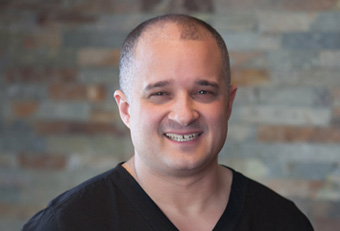
Recently, Dr. Charles Monteith, an Assistant Professor of Obstetrics and Gynecology at the UNC School of Medicine, requested a mentoring relationship with me to learn the techniques of tubal reversal surgery. Dr. Monteith is a board certified obstetrician-gynecologist with 6 years of surgical experience subsequent to completing his residency at the UCSF Medical Center. He has begun assisting me in surgery and will continue to do so on selected dates during the next 6 months. Some of the patients who have come here since January 1st have already met him. With his prior surgical experience, and after an extended training period, Dr. Monteith will become certified as a Tubal Reversal Specialist and join our staff in July 2008.

Dr. Berger’s Comment

My response, therefore, to the Fertility and Sterility article is that tubal anastomosis will not become “lost in Antiquity”. Perhaps in the future, other physicians will follow the path that Dr. Monteith has chosen to learn the skills and techniques required for successful tubal reversal operations. More information about Dr. Monteith will be available in forthcoming blog posts and on the Chapel Hill Tubal Reversal Center website.

Is Tubal Reversal Surgery Safer in a Hospital?

Wednesday, January 16th, 2008

CDC studies the excess risks of infection among hospital patients.

In a recent email inquiry, someone asked if it would be safer to have tubal reversal surgery in a hospital. My response - “It is much safer to have tubal reversal surgery performed at Chapel Hill Tubal Reversal Center than in a hospital.”

Infection and Medication Error Risks in Hospitals

Roughly 100,000 people wind up with a potentially deadly infection during hospital treatment in the US each year, according to the Centers for Disease Control. Hospital-acquired infections (also called “nosocomial” infections) are particularly dangerous, since hospital germs are especially resistant to antibiotics. One example in the news recently is the bacteria called methicillin-resistant staphylococcus aureus (MRSA). Most of these dangerous bacteria are transmitted by hospital staff from other patients. In addition, hospital patients get the wrong drug one time out of five, according to a study by Auburn University.

Patient-safety incidents continue to rise in American hospitals. The largest increases involve hospital-acquired infections and post operative sepsis (overwhelming infection).

A Chicago Tribune study revealed that serious violations of infection-control standards have been found in the vast majority of hospitals nationally. Since 1995, more than 75 percent of all hospitals have been cited for significant cleanliness and sanitation violations. This report says:

A hidden epidemic of life-threatening infections is contaminating America’s hospitals, needlessly killing tens of thousands of patients each year. Nearly three-quarters of the deadly infections are preventable, the result of unsanitary facilities, germ-laden instruments, unwashed hands and other lapses.

Deaths linked to hospital germs represent the fourth leading cause of mortality among Americans, behind heart disease, cancer and strokes, according to the federal Centers for Disease Control and Prevention. These infections kill more people each year than car accidents, fires and drowning combined.

“The number of people needlessly killed by hospital infections is unbelievable, but the public doesn’t know anything about it,” said Dr. Barry Farr, a leading infection-control expert and president of the Society for Healthcare Epidemiology of America.

Dr. Berger’s Comment

When it comes to cleanliness and strict adherence to infection control procedures, there is no medical or surgical facility better than Chapel Hill Tubal Reversal Center. Our patients often comment about the meticulous nature of our facility. It is clean, orderly, and uncluttered. We are obsessive about this.

The idea that it may be safer to have elective surgery in a hospital is wrong. Hospitals are the right place for treating complicated medical or surgical problems, but they are not the best place for healthy people to have tubal reversal surgery!

Note

Dr. Berger was an Epidemic Intelligence Service Officer at the Centers for Disease Control (CDC).

Chapel Hill Tubal Reversal Center - Chapel Hill Surgical Center

Tuesday, January 1st, 2008

Chapel Hill Tubal Reversal Center offers complete information and support before, during, and after tubal reversal surgery by Dr. Berger. New patients may want to learn about the relationship between Chapel Hill Tubal Reversal Center and Chapel Hill Surgical Center. They are interrelated health care organizations exclusively for the benefit of patients undergoing tubal reversal surgery.

Chapel Hill Tubal Reversal Center

Chapel Hill Tubal Reversal Center is the name of my private practice. It is located on the second floor of a 2 story building at 109 Conner Drive in Chapel Hill, North Carolina. Prior to 1997, Chapel Hill Tubal Reversal Center was known as Chapel Hill Fertility Center. During earlier years, complete diagnostic and treatment services were provided for all causes of infertility. Because it has always been my primary interest and special skill, I decided to limit my practice to tubal reparative surgery. I am the the only reproductive surgeon who performs tubal reversal surgery exclusively.

Chapel Hill Surgical Center

Chapel Hill Surgical Center is a licensed ambulatory surgical facility that occupies the first floor of 109 Conner Drive in Chapel Hill. This is where the tubal reversal procedures are performed. The facility has 3 operating rooms, a two-stage recovery room, and is staffed by a team of anesthesiologists, a nurse anesthetist, operating room nurses, recovery room nurses, surgical technologists, and an administrative staff. In the past, it was operated as a general ambulatory surgical center that included other doctors from many other surgical specialties. The facility was reorganized to provide tubal reconstructive surgery alone to allow all of the professional staff to concentrate on tubal reversal patients. This has led to the best medical care for women having a tubal reversal procedure.

A Unique Medical Organization

As the Medical Director of both facilities, I am assisted by a dedicated and highly trained staff of over 20 people who devote all of their efforts to caring for 4 couples a day having tubal reversal surgery. The staff to patient ratio (5:1) is higher than found in any other surgical center or hospital. This permits the most attentive and personalized medical care possible. There is no other medical organization like this anywhere else. Most patients learn about us from the Chapel Hill Tubal Reversal Center website, while others are referred by their doctors or previous patients. Couples come here from all 50 states in the US and from every continent around the world.

Our Mission

We take pride in being the premier medical facility for tubal ligation reversal. Our mission for 2008 is to restore hope, fertility, and the opportunity to have children for 800 more couples, as we have done each year in the past.

Tubal Reversal by Tubouterine Anastomosis

Saturday, December 22nd, 2007

Tubal Anastomosis at the Uterine Cornua

The uterine cornua is the area where the fallopian tube emerges from the uterus.Tubouterine anastomosis is a tubal reversal procedure that is intermediate between tubotubal anastomosis and tubouterine implantation. It is also called cornual anastomosis because the tube is joined to the cornual area of the uterus with this operation. The cornu is the area where the fallopian tube normally emerges from the the uterus.

When Is Tubouterine Anastomosis Performed?

Tubouterine anastomosis attaches a healthy segment of fallopian tube to the cornual area of the uterus.Tubouterine anastomosis is performed when there is a healthy tubal segment near the ovary, but no segment remains attached to the uterus, following a tubal ligation procedure. It is also performed when a tubal segment attached to the uterus is scarred and has no open lumen.

An incision is made into the uterus at the cornu to find the opening of the fallopian tube tube as it passes through the uterine muscle. If an opening is found, the tubal segment that remains is rejoined to the uterus at this site.

Case Histories

The topic of tubouterine anastomosis is a timely one. During the past week, 2 patients undergoing tubal reversal surgery at Chapel Hill Tubal Reversal Center required this operative procedure. In one case, each fallopian tube had been coagulated or burned next to the uterine cornu, leaving no segment attached to the uterus. The other patient had developed the condition known as salpingitis isthmica nodosa in the portion of the fallopian tube between the uterus and the a Falope ring. In both cases, tubal reversal was able to performed with the technique of tubouterine anastomosis.

Dr. Berger’s Comment

Frequently, patients have been informed by doctors who are not specialists in tubal ligation reversal that their fallopian tubes cannot be repaired after a tubal ligation. This is especially true when the proximal segments of the fallopian tubes are missing or diseased. But there are a variety of surgical techniques that can be used during tubal reversal surgery by a doctor who is an experienced tubal reversal surgeon. This is one of the advantages patients have when they come to Chapel Hill Tubal Reversal Center for their tubal reversal procedures.

What You Can Expect at Chapel Hill Tubal Reversal Center

Thursday, December 13th, 2007

Chapel Hill Tubal Reversal Center offers complete information and support before, during, and after tubal reversal surgery by Dr. Berger. People like knowing what to expect when they come to Chapel Hill Tubal Reversal Center for their tubal reversal procedure by reproductive surgeon Dr. Gary Berger, our Medical Director.

We provide a great deal of information about this on our website, in emails and letters, and by telephone.

Learn From Others on the Tubal Reversal Message Board

Another useful source of information about what to expect is the Tubal Reversal Message Board. Through the message board, women can ask questions and get responses from Dr. Berger’s staff and from others who have had their tubal reversal procedure. A message board member recently asked this question about what to expect in the Preparing for Tubal Reversal forum with the subject heading Need Details About Consultation:

“Can someone who has already had their consultation give me details about what happens at the consultation? I’m nervous ):”

She received this detailed reply from another board member:

“My wife had her tubal reversal just this week, so it is still pretty fresh for us. We went there on Monday, so the schedule of things may be different on other days.

She was very nervous; we drove down - an eleven hour drive - not sure what to expect. While there are countless messages on the board detailing great experiences, the fear of showing up and discovering either a second-rate facility or a scam were still in the back of our minds. She was also nervous about “making weight”, even though she was not even close to the BMI cutoff; my dear wife likes to fret over everything.

We met the shuttle van at the lobby of the Sheraton at 6:45; Doctor Berger’s facility is only 5 minutes down the road. When we pulled in, the courtyard gate was unlocked and open. We made our way up the stairs to the second floor, and the receptionist was ready and waiting; the waiting room up there looks like a very cozy, large, well appointed living room.

My wife got the luck of the draw and was first, so it was a very efficient, streamlined process. First up was blood pressure, height and weight. All went well, and we immediately met with Doctor Berger. He is professional, courteous, and yes, asked why we chose this. He didn’t seem judgmental about age or weight; he seemed genuinely committed to giving my wife back her reproductive rights to the best of his ability.

After that was the vaginal ultrasound. My wife preferred for me to be present; it was about 10 minutes total, minimally invasive, and yes, the nurse fine tuned the hair line for surgery.

We were immediately escorted downstairs to the surgery reception, and we were quickly greeted by one of the surgical nurses. I believe we had some very brief paperwork at that point, but we moved so efficiently, I could be wrong. We were escorted to the surgical waiting area, where she changed into a johnny and a robe, and answered some of the standard surgical questions.

My wife is no fan of needles, and we let the nurse know that previous IV experiences weren’t very good. When the nurse had trouble with the IV, she immediately called in one of the OR nurses who took over and inserted a new IV in one quick, painless hit.

They talked us through every single step, and soon, my wife was walking in to surgery. She says she climbed onto the table and doesn’t remember a darned thing until waking up! As she was waking up, the nurse went over post-op care with me in painstaking detail. What the meds are for, when to give them, what existing meds can be taken with them, etc. It was thorough, and I felt quite capable of caring for my wife when we returned to the hotel. When she was awake and lucid, and had successfully emptied her bladder, they allowed her to dress, and called for the Hotel Shuttle. 5 minutes later, it arrived, and we were back in our hotel room before 11am!

The next morning promptly at 7 am, the nurse visited our hotel room, inspected the incision, and took every bit of time we needed to feel comfortable for our trip home.

A few tips:

  • An important detail is that Doctor Berger’s facility is amazingly efficient; while you don’t feel rushed, you are done before you know it. They have fine tuned the process so very little time is wasted.
  • Stick to the medicine schedule! Don’t be a hero and skip your pain meds or you will regret it. My wife had a few bouts of soreness that would have been difficult in the days after surgery without meds.
  • The nurses are all wonderful people; we enjoyed meeting them and letting them take care of my wife. Let them take care of you, and you will do fine.”

Support Before, During, and After Tubal Reversal

At Chapel Hill Tubal Reversal Center, our relationship with patients does not begin and end on the date of surgery.  When you choose Dr. Berger as your tubal reversal doctor, you can expect to have our support before, during, and after surgery.  We are available 24 hours a day, 7 days a week to answer questions and to provide education and information about the tubal reversal process.  Our goal is to provide you with all of the tools you will need on your tubal reversal journey.

Why Choose Chapel Hill Tubal Reversal Center?

Monday, November 26th, 2007

Our Tubal Reversal Center is Unique

Dr. Berger is the tubal reversal doctor with the most experience.Dr. Berger is the only physician in the country with a practice that is specifically limited to tubal reversal surgery. That is the only procedure performed here with Dr. Berger performing four reversals each day, five days a week. We have a high staff/patient ratio with one or two nurses devoted specifically to your care while you are here. All of our nurses have advanced certification in cardiac life support (ACLS) and our anesthesiologists are MDs with board certification in anesthesiology. The anesthesiologists are employees here and not anesthesia staff from another hospital or anesthesia service. In other words, everyone at Chapel Hill Tubal Reversal Center has expertise in caring for tubal reversal patients and performing reversal surgery. While you are here, you will only be with other women and couples who are here specifically for the same purpose.

We Provide Accurate Tubal Reversal Statistics

We keep detailed data and statistics on each of our patients (such as age, tube length, medical history, tube of tubal ligation, pregnancy history). This is obtained by ongoing contact with our patients to ensure we have accurate information regarding their surgery and their outcome. Dr. Berger maintains and publishes data regarding pregnancy rates and pregnancy outcomes following tubal reversal surgery. We know of no other doctor or medical facility that does this.

On the Internet, claims about tubal reversal pregnancy rates are often made without supporting information or documentation - such as a description of the patient population, study method, and follow-up interval. Most Internet sites about tubal reversal do not provide any factual data at all. Any doctor may say that his patients have a particular success rate, but supporting the claim with actual data involves considerable effort. Performing a follow-up study such as this one requires keeping an accurate record of patients and their findings, as well as maintaining ongoing patient contact to determine the outcomes of treatment. That is the only way a doctor can actually know what the pregnancy and outcome statistics are for his patients. Without this detailed type of information, the accuracy of any claim of success rates should be questioned.

At Chapel Hill Tubal Reversal Center, nurses enter information into an electronic patient database at the patient’s registration, the surgical procedure, and from regular post-operative communications with our staff. If we have not heard from patients after their recovery from surgery, our nurses contact them at 6 and 12-month intervals. We know of no other doctor, hospital, or clinic that maintains such ongoing patient follow-up records after tubal reversal surgeries. I believe Dr. Berger’s commitment to providing accurate, up-to-date data is reflected in the fact that he requires this time-consuming but important procedure to be followed so that valid information can be obtained. Each year we publish the results of our follow-up study, reflecting surgical and pregnancy outcomes. This is the most comprehensive study done to date of tubal reversal surgery and its resulting outcomes, showing that for the majority of women who have undergone a tubal ligation procedure and decide later they would like to have more children, tubal reversal surgery is a better option than in vitro fertilization (IVF).

We Follow-up With Patients and Are Always Available

Julia Smith, RN Nurse AdministratorAnother reason to choose Dr. Berger and Chapel Hill Tubal Reversal Center is the staff! We are available 24 hours a day/7 days a week to answer questions and concerns. Patients regularly express amazement at the level of care, compassion, and professionalism that they were shown before, during, and after surgery. Patients also like the fact that they receive follow-up calls on post-op day 1 and 3 and at 2 weeks, simply to see how they were doing and to have any questions answered. Our nurses follow-up with each patient again at 6 months and one year after surgery.

Submitted by Julia Smith, R.N.
Nurse Administrator

Why Tubal Reversal Part 2

Sunday, November 25th, 2007

About Me

Dr. Berger is the tubal reversal doctor with the most experience and babies born worldwide.Sometimes patients ask about my background and why I became a tubal reversal doctor. (It’s a fair question, since I ask them what made them decide to have a tubal reversal.) I usually tell them about my first year after medical school when I was an intern in medicine at Duke University Hospital taking care of critically ill and dying patients. That is when I decided to devote my medical career to assisting with the beginning of life rather than its ending.

Influential Teachers

The first tubal surgery that I assisted in was during my first year of residency in obstetrics and gynecology at Johns Hopkins Hospital in 1970. At the University of North Carolina where I completed my residency, Dr. Jaroslav Hulka (the inventor of the Hulka clip) taught me the basic principles of tubal reversal surgery. In 1976, I went to Europe to learn tubal microsurgery from Dr. Robert Winston. Dr. Winston’s microsurgical method was an advancement but also a major operation of several hours duration resulting in hospitalization for 5 days or more.

My goal was to make tubal reversal easier to undergo and less costly for the patient. This was accomplished by combining the best principles of gyn surgery, microsurgery, and plastic surgery techniques. I had the great fortune of operating for many years with the renowned plastic surgeon, Dr. Erle Peacock, author of the surgical text entitled “Wound Healing”.

Outpatient Tubal Reversal

By the mid-1980s, I developed the outpatient surgical approach to tubal ligation reversal that I use - and continue to improve upon - to this day. What was a major and expensive in-hospital operation with prolonged recovery became a comfortable outpatient procedure that is affordable for most couples. It is the most gentle operation that exists for restoring tubal anatomy and has resulted in the birth of more babies in the world than any other tubal reconstructive operation.

Anyone who is interested in seeing how I perform outpatient tubal ligation reversal can watch the entire operation that was recorded on video and shown on Discovery and TLC. In this video, each step of the procedure is described as it is performed.

My Viewpoint

I have been fortunate to have had the best teachers in the world in the art of surgical technique as it applies to the fallopian tube. Specializing in tubal reversal surgery over the past 30 years has allowed me to assist more than 6000 couples in the beginning of life with the safest, most comfortable, and most successful tubal reversal operation.


Special Report


Answers to seven important questions to find out if tubal reversal is right for you.

Request this Special Report:


Call 919 968-4656 to speak with a Tubal Reversal Nurse.

Call (919) 968-4656 To Speak With a Tubal Reversal Nurse

Pregnancy Announcements | Daily News | Latest Additions | Press | MD News | Site Map | Español
Website updated May 11th, 2008 Chapel Hill Tubal Reversal Center© Chapel Hill Tubal Reversal Center
109 Conner Drive Suite 2200, Chapel Hill, NC 27514 (919) 968-4656
   Tubal Reversal News ?>
109 Conner Drive Suite 2200, Chapel Hill, NC 27514 (919) 968-4656