








Chapel Hill Tubal Reversal Center
109 Conner Drive Suite 2200, Chapel Hill, NC 27514 (919) 968-4656

Tubal Reversal Blog ‘untying tied tubes’

Robotic Tubal Ligation Reversal: Advice

August 31st, 2009

robot-reversalRobotic tubal ligation reversal is the newest technology available for reversal of sterilization.

In these articles, we have explained the basic concept behind robotic surgery and presented the most current medical studies on robotic tubal reversal.

Now the tubal reversal specialists of Chapel Hill Tubal Reversal Center would like to present opinions on the current state of robotic tubal surgery.

We can say with some certainty robotic tubal reversal is a surgical innovation which will have a short life expectancy. The future is very limited  for robotic tubal ligation reversal. Read the rest of this article and comment on it. »

Tubal Ligation Reversal Journey of Georgia Peach: Her Arrival

March 10th, 2009

Tubes Tied And Tubal Reversal Surgery: Patient’s Perspective

tubal-reversal-patient-at-reversal-centerTanya (aka Georgia Peach) contacted Chapel Hill Tubal Reversal Center to inquire about sterilization reversal (untying tied tubes). She mentioned being a frequent reader of our Tubal Reversal Blog and expressed an interest in sharing her story about her decision to have her tubes tied, desire to have tubal ligation reversal, and her efforts to conceive after reversal surgery.

This is her fourth blog contribution. Her first was The Tubal Reversal Journey of Georgia Peach.

Read the rest of this article and comment on it. »

Tubal Ligation Reversal After 40 | Tubal Reversal Process

February 12th, 2009

Tubal Reversal SurgeryPreparation for tubal ligation reversal surgery is the same for all patients regardless of age.  Any person considering  ‘untying tied tubes‘ should read this article to understand how to arrange and schedule a tubal ligation reversal.

This is the sixth article in a series dedicated to women considering alternatives for pregnancy and tubal ligation reversal after the age of 40.

The previous article describes the risk of having a tubal reversal surgery and the first article of our series is  Tubal Ligation Reversal After the Age 40 | Introduction.
Read the rest of this article and comment on it. »

Untying Tied Tubes: Monopolar Electrocoagulation

May 17th, 2008

History of Tubal Sterilization

The first tubal sterilization method was tubal ligation and resection, reported in 1881! Ligation and resection- or ‘tying tubes’ was the most common surgery for sterilization until the advent of laparoscopic surgery in the mid 1900’s. As laparoscopic surgery became more popular, electrocoagulation (electrical burning) of the fallopian tubes became a popular method of female sterilization.

Tubal Electrocoagulation Results in Burned Tubes

Monopolar tubal coagulation is one method of tubal sterilizationThe first description of laparoscopic electrocoagulation, in 1962, used a type of electrical current termed monopolar current – hence the term monopolar tubal coagulation. This sterilization procedure uses electric current to destroy part of the fallopian tube. The burned part of the tube turns into scar tissue and the remaining tubal segments are separated and blocked. This was a very popular form of laparoscopic sterilization from 1970 until the early 1980’s.

Although monopolar electrocautery is a very effective form of tubal sterilization, studies showed that it had a higher complication rate than for electrocoagulation using bipolar current, where the damage to the fallopian tube (or other structures) is more easily restricted. Sterilization procedures done by monopolar current are gradually decreasing and being replaced with bipolar current. Monopolar cautery, however, is still used for tubal sterilization by some doctors.

Can Burned Tubes Be Repaired?

Patients often ask whether burned tubes can be repaired. In most cases, monopolar electrocoagulation sterilization procedures can be reversed. The success of reversal is dependent on the amount of fallopian tube that has been damaged by the electrocautery. This information is usually available in the tubal ligation operative report. When in doubt, a screening laparoscopy can be performed. Approximately 50% of patients at Chapel Hill Tubal Reversal Center will become pregnant after a reversal of a monopolar coagulation sterilization procedure.

Many people, including doctors, have been told that tubal sterilization is permanent and irreversible. Although monopolar tubal coagulation is intended to be permanent, this procedure is usually revesible. The best place for women to have their tubes ‘untied’ when they have been burned is Chapel Hill Tubal Reversal Center – the only medical facility that specializes in reversal of tubal ligation.

Submitted by Dr. Charles Monteith

Untying Tied Tubes

May 1st, 2008

Tying Tubes

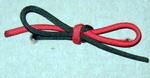
A simple lace tie. Many people seem to imagine the fallopian tube is like a shoe lace that is tied in a bow to prevent pregnancy. As a tubal ligation reversal specialist, I wish it were that simple- then reversing tied tubes would be a whole lot easier!

Perhaps a well meaning doctor may have told a patient one day, “I am going to tie your tubes so you don’t get pregnant.” Maybe the doctor wrote a letter to a medical journal explaining the procedure and then the terminology stuck. More likely, a reporter may have simplified the terminology for the surgical procedure of tubal ligation to make a catchy title for an article. Others may then have started using the term “tying tubes” to quickly explain a complex procedure. These explanations often have a long life span and make their way into common language.

The more accurate terminology is bilateral tubal occlusion (closure of both fallopian tubes) which results in sterilization (not being able to conceive). There are many ways to perform bilateral tubal occlusion. The most common tubal sterilization procedure is performed at the time of cesearean delivery (c-section) or immediately after having a baby. It does involve tying the tubes with a suture – but then also cutting out a segment of healthy tube, resulting in closure of the tube as it heals. The suture then dissolves. The intial suture tying is most likely where the phrase ‘tying tubes’ came from.

Another common method is to burn the tubes with electrical energy (electrocoagulation). This is usually done by laparoscopic surgery and is usually done remote from pregnancy. Lastly, there are many devices- clips and bands – which can close off the tubes and cause a portion of the tube to be destroyed.

No matter how the procedure is done, the end result is obstruction of the fallopian tube that prevents pregnancy.

Many people believe that tubal sterilization is irreversible. Although bilateral tubal occlusion is intended to be permanent, the procedure can be reversed. Chapel Hill Tubal Reversal Center is the one medical facility that specializes exclusively in reversal of tubal ligation. We have become tubal ligation reversal experts………experts at untying tied tubes!

Submitted by Dr. Charles Monteith

More information on » untying tied tubes

Special Report

Answers to seven important questions to find out if tubal reversal is right for you.

Telephone 919 968-4656 to speak with a Tubal Ligation Reversal Nurse

Call a Tubal Reversal Nurse
for a free consultation -

(919) 968-4656

Pregnancy Announcements | Latest Additions | FAQs | Press | MD News | Mission Statement | Privacy Policy | Doctors Directory | Site Map


http://www.tubal-reversal.net/includes/footer.php  was last modified on November 1st, 2009 18:15:35

Chapel Hill Tubal Reversal Center.
109 Conner Drive Suite 2200, Chapel Hill, NC 27514
Tel: (919) 968-4656     Fax: (919) 869-1976
