Search Results for: "pregnant clips"
May 25, 2008 · No Comments
At A Personal Choice, we want to maximize the chances for pregnancy after tubal ligation reversal for all of our patients. One step that is helpful in planning for a tubal reversal procedure is examining the pathology report from a patient’s medical record. When a tubal ligation and resection procedure has been performed, a segment of fallopian tube was removed and most likely sent to a pathologist. Therefore, a pathology report should exist in the patient’s medical record. A pathology report will help our tubal reversal doctors determine exactly what was done during a ligation and resection procedure and what your chances of tubal reversal success will be.
Read More
May 19, 2008 · No Comments
Many people believe tubal sterilization is permanent and irreversible. Although tubal ligation and resection sterilization is intended to be permanent, this procedure can be reversed. Approximately 70% of patients at A Personal Choice become pregnant after a reversal of a ligation and resection procedure. A Personal Choice is the medical facility that specializes in tubal ligation reversal.
Read More
May 10, 2008 · No Comments
Fishie Clip sterilization is one of the best tubal sterilization procedures to reverse since it causes minimal damage to the fallopian tubes. Women whose tubes have been ‘tied’ by Filshie clips have a 75% pregnancy rate at A Personal Choice.
Read More
May 01, 2008 · No Comments
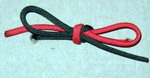
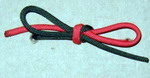
There really is no such thing as simply “tying tubes”. Many people seem to imagine the fallopian tubes are like a shoe lace and we tie them up in a bow to prevent pregnancy. As a tubal ligation reversal specialist, I wish it were that simple- then reversing tied tubes would be a whole lot easier!
Read More
December 31, 2007 · No Comments
Patient’s History Ana G. was one of the 4 patients I operated on today at A Personal Choice. She is a 28 year old woman from Angola, the mother of 3 children – ages 9, 8, and 6. She married when she was 15 and was in an abusive marriage. To keep from becoming pregnant […]
Read More
December 16, 2007 · No Comments
Tubal Reversal Scholarly Publications Early Experimental Studies in Animals In 1969, David, Brackett and Garcia (1) reported using microsurgical techniques for uterotubal anastomosis after removing the uterotubal junction from one side in 25 rabbits. Among 11 (44%) of the animals that became pregnant, fewer implantations occurred on the operated side than on the unoperated side. […]
Read More





 Birth Announcements
 Birth Announcements
 Birth Announcements
 Birth Announcements
 Birth Announcements
 Birth Announcements
 2026 Fall Discounts Available!

