







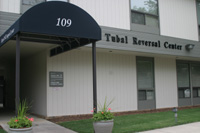
Chapel Hill Tubal Reversal Center
109 Conner Drive Suite 2200, Chapel Hill, NC 27514 (919) 968-4656

Posts Tagged ‘chapel hill tubal reversal center’

Easy Recovery After Tubal Reversal Surgery

Monday, May 5th, 2008

Pam Mills, CRNA is a nurse anesthetist at Chapel Hill Tubal Reversal Center.

Anesthesia for Tubal Ligation Reversal

Submitted by Pam Mills, CRNA

Being part of the anesthesia care team at Chapel Hill Tubal Reversal Center has given me the opportunity to work one on one with tubal reversal patients in an outpatient setting and to assure they receive the best medical care they have ever experienced.

For anesthesia purposes, we record pain scores and the incidence of postoperative nausea for all of our patients. We conduct comprehensive reviews of our data and implement changes to our anesthesia protocol, if necessary. This performance improvement activity is the beauty of working in a small private setting.

All of our patients receive individual attention and care. We have had patients tell us, “This is the first time in my life I have not been sick after anesthesia!” and “This was the easiest anesthesia I have ever had!”

I can’t think of anything more rewarding than to have helped our patients have a safe and pleasant experience while they are here for their tubal ligation reversal procedures.

Personalized Anesthesia Plan

If a patient tells me that she experienced nausea after an anesthetic in the past, I sit down with her and discuss our anesthesia plan and how it is designed to optimize her comfort and well being during her postoperative recovery. I want her to be confident that she will be well taken care of and that we will do everything in our power to make this anesthetic different from what she experienced previously. Our patients receive two medications through their IV to prevent nausea, and for patients with special needs I give what is is fondly referred to as my “special cocktail”. This cocktail has a combination of two additional anti-nausea medications, also given through the IV before the patient wakes up. This covers all the possible trigger centers in the body that can cause nausea.

Power of Positive Thinking

I usually end our discussion of postoperative nausea by telling the patient and family member that this will be the last we will mention of this subject, as I am a firm believer in planting the seed of positive thought. So from then on I want them to focus on positive thinking, knowing that she will be well taken care of and anticipating that she will wake up feeling well and free of pain or nausea.

Patient Care at Chapel Hill Tubal Reversal Center

Our dedication to patient care and outcome is evident in our patient follow up care. Every patient is entered into our computerized database. This database includes information from the day of surgery, their postoperative recovery, follow upcontacts by our nurses, as well as every pregnancy following the tubal reversal procedure through to its outcome. There is no better place for women to have tubal reversal surgery than at Chapel Hill Tubal Reversal Center. Our anesthesia staff goes to extra lengths to ensure the patient’s safety, comfort, and sense of well-being during and after the tubal reversal procedure.

Do You Want a Baby after Tubal Ligation?

Sunday, April 27th, 2008

One of over 1000 babies born after reverse tubal ligation by Dr. BergerThe Doctor Who Unties Tubes

Dr. Gary Berger is a tubal reversal doctor who specializes exclusively in procedures to untie tubes. Dr. Berger created the first and only tubal reversal clinic - Chapel Hill Tubal Reversal Center. This is the best place to get tubes untied for women who want another baby after tubal ligation.

Why Untie Tubes?

One of the questions Dr. Berger asks his patients is what made them decide to have their tubes untied. In answering this question, women describe the circumstances which led them to want another child after tubal ligation. Most cases involve divorce and remarriage. Often the husband has no children, and the couple would like to have a family of their own. Some couples already have children together but realize that having a tubal ligation was a decision that they regret. Death of a child, religious considerations, and the desire to relieve symptoms of “Post Tubal Ligation Syndrome” are other reasons for wanting to get tubes untied.

Pregnancy After Tubes Tied

Although there are many websites that discuss reverse tubal ligation, information about success rates is often lacking or stated in general terms. To make a fully informed decision about tubal reversal, women should have specific and accurate statistics about pregnancies regarding a doctor’s own patients rather than a general statistic taken from some other source. Otherwise, it has little meaning.

Tubal Reversal Center Pregnancies

Chapel Hill Tubal Reversal Center provides information each week about pregnancies after tubal reversal procedures performed by Dr. Berger. Whenever one of Dr. Berger’s patients becomes pregnant, they can submit a Pregnancy Report Form to alert the Tubal Reversal Center staff of their pregnancy. This enables Dr. Berger and his nurses to monitor the results of the Early Pregnancy Protocol that is recommend by Dr. Berger. Each week, the new pregnancy reports are tabulated and listed in the Weekly Pregnancy Reports forum on the Tubal Reversal Message Board. During this past week, there were 20 new pregnancies reported by Dr. Berger’s tubal reversal patients. This is more than reported in a year by most doctors who perform tubal reversal procedures! Additional information about the new pregnancies is shown in the Pregnancy Announcements section of the Chapel Hill Tubal Reversal Center website. A complete statistical analysis of the outcome of all tubal reversals is published as the Tubal Reversal Study Report each year.

Conclusion

By establishing a medical facility exclusively for tubal reversal procedures that untie tubes, following up on all patients who have had a reverse tubal ligation, and publishing their pregnancy statistics, Chapel Hill Tubal Reversal Center has set a new standard for other doctors who provide tubal reversal services to follow.

Tubal Reversal Information

Saturday, April 5th, 2008

Tubal reversal information is plentiful on the internet, but not everything that you read is accurate or factual. Of the websites that provide information about tubal ligation reversal, the one from Chapel Hill Tubal Reversal Center is most complete and accurate. It describes the various types of tubal ligation procedures and the different tubal reversal procedures that can be used. If you are interested in learning about tubal reversal, spend some time looking at the different pages on this extensive site. There is a search box at the top of every page that can direct you to specific information about any issues relating to tubal ligation reversal. Take a look also through the many topics of information on the Tubal Reversal Blog.

Tubal Reversal Surgery

Tubal ligation reversal is usually considered to be a major operation, taking several hours and requiring a hospital stay of 1 to 5 days. Complete recovery is often described as taking 4 to 6 weeks. However, the tubal reversal procedure that Dr. Berger has developed is performed as outpatient surgery with no hospital stay required and with complete recovery generally within 5 to 10 days. Since hospitalization is not required, the cost of the tubal reversal procedure is reduced by half or two-thirds of the cost when performed in a hospital. Patients are more comfortable during their post operative recovery and are able to return to work and other normal activities much faster. A free video or DVD of Dr. Berger’s tubal reversal procedure is available on the Chapel Hill Tubal Reversal Center website.

Risks of Tubal Reversal

As with any surgery, complications are always a possibility. Although rare, these may include bleeding, infection, damage to other organs, or complications of anesthesia. The most significant risk associated with tubal ligation reversal is the long term risk of having an ectopic pregnancy. This risk is increased from approximately 2% of pregnancies in the general population to approximately 10% after tubal reversal. Fortunately, the medical problem of a ruptured tubal pregnancy can be prevented by following an early pregnancy monitoring protocol that has been described by Dr. Berger and is recommended to all women after a tubal reversal procedure.

Alternative Treatment

Rather than “untying” their tubes, some women are advised to be treated by in vitro fertilization (IVF). However, IVF is more complicated and expensive, the pregnancy rate after IVF is not as high as after tubal reversal, and there is a very high incidence of multiple births (approximately 30%) after IVF. Further, there is concern about the possible long term effect of the use of potent hormones to stimulate the ovaries to produce many eggs (called “super-ovulation”) and the suspicion that it might increase the risk of ovarian cancer later in life.

Am I a Candidate for Tubal Reversal?

Although most women have been told that tubal ligation is permanent, in fact, the vast majority of tubal ligation procedures are reversible. The operative report from your tubal ligation will give a good indication if the procedure can be reversed. When there is any doubt about this, diagnostic laparoscopy can be performed to examine the fallopian tubes and then decide whether to proceed with the reversal operation.

Pregnancy Rates After Tubal Reversal

Pregnancy and birth rates after a tubal reversal are significantly better than after IVF. Neither procedure, however, can guarantee that pregnancy leading to birth will occur. Even when the fallopian tubes have been repaired, other factors – such as age, menstrual cycle regularity, ovulation or other hormonal disorders, and the fertility of the male partner - may determine when, or whether, conception will occur.

Women under the age of 30 who have a tubal reversal have an 82% pregnancy success rate; between 30-34 the pregnancy rate is 76% and for women ages 35-39, the pregnancy rate is 67%. The pregnancy rate declines for women 40 and older in accordance with the natural decline in fertility with age. However, pregnancy rates are higher for women of any age following tubal reversal than after IVF.

More Tubal Reversal Information

If you would like to discuss your individual situation with a Tubal Reversal Nurse, call (919) 968-4656. The experienced nurses at Chapel Hill Tubal Reversal Center are always happy to provide information about tubal ligation reversal. You can also exchange information with other women on the Tubal Reversal Message Board.

Surgical Technologists - The Unsung Heros

Sunday, March 30th, 2008

Surgical Technologists at Chapel Hill Tubal Reversal Center

Surgical technologists, also called surgical technicians, are the unsung heros of the surgical team at Chapel Hill Tubal Reversal Center. Patients have little interaction with them except when they are in the operating room. The surgical techs are not easily recognizable behind their surgical masks and during most of the time patients are in the operating room they are asleep! The surgical technicians, however, are responsible for making sure that all equipment is in perfect working order, the operating rooms are meticulous, and that all equipment and instruments are sterile. Their training and working every day with Dr. Berger ensures that tubal reversal procedures go smoothly, safely, and that patients are under anesthesia for the minimal length of time necessary. They must think and act quickly, safely, and accurately to assist the surgeon to achieve the optimal surgical technique throughout the entire operation, from the time a patient goes to sleep until she awakes.

Meet Our Surgical Technologists

Surgical technologists at Chapel Hill Tubal Reversal Center.

Below is a brief history about our outstanding team of surgical techs introducing them from the left to the right in the photo. Here is a link to the web site page about our four surgical technologists at Chapel Hill Tubal Reversal Center.

Matt Murphy, ST underwent his training as a surgical technician at Chapel Hill Tubal Reversal Center where he has worked since 2005. During this time, Matt took a break to work abroad. He describes his time away as an enlightening, growth experience. Matt says that Dr. Berger is always encouraging him to research topics about surgical technique and to continue his education. Matt’s favorite subjects are science and medicine and he is in the process of getting his associates degree in science. Matt’s fluency in Spanish permits him to communicate easily with Spanish speaking patients.

Brandon Martin-Williams, ST also was trained at Chapel Hill Tubal Reversal Center as a surgical techician where he has worked since 2006. During his time at Chapel Hill Surgical Center Brandon has become interested in furthering his career in medicine. Even while working full-time, Brandon has been taking classes to finish his bachelor’s degree in Biology. Brandon hopes to go to medical school in the near future. With his demonstrated skills in the operating room, Dr. Berger believes that Brandon would be an excellent doctor.

Donna Sisson, ST has worked as a first assistant to Dr. Berger in surgery since 1990. Prior to coming to Chapel Hill Surgical Center, she worked as a surgical technologist at St. Francis Hospital in Greenville, SC and at Durham Ambulatory Care in Durham, NC where she specialized in gynecological and plastic surgery procedures. Donna says that working with Dr. Berger is particularly rewarding because Dr. Berger always strives to be on the leading edge of his profession. Donna was Dr. Berger’s first assistant in the Learning Channel’s documentary “The Operation” that features Dr. Berger performing Outpatient Tubal Ligation Reversal.

Kathy Scronce, ST has been a surgical technician at Chapel Hill Tubal Reversal Center since 2005. She previously worked as a surgical technologist at Durham Regional Hospital in Durham, NC. Kathy appreciates the fact that Dr. Berger and all of the staff at the Chapel Hill Tubal Reversal Center are extremely devoted to their patients. Kathy is an integral member of this caring team who work so well together and who concentrate on optimal surgical technique to ensure a successful experience for tubal reversal patients.

Dr. Berger’s Comment

Over the many years I have been performing tubal reversal surgery, I can truly say that I have never worked with a more professional, well trained, and competent surgical team than the one that currently exists at Chapel Hill Tubal Reversal Center. Not only are these individuals professionals in every sense, but also they are exceptional people who are truly dedicated to providing the best and safest care to patients that is possible. Although the patients who come to Chapel Hill Tubal Reversal Center are often unaware of the importance of these essential team members, our patients benefit everyday from the extraordinary way that our surgical technologists do their jobs. It is one of the many factors that makes Chapel Hill Tubal Reversal Center stand out for its excellence in patient care.

Anesthesia For Outpatient Tubal Reversal Surgery

Friday, March 28th, 2008

There have been many milestones in outpatient anesthesia since its inception. Imagine what the first patient was thinking when told he or she would be going home the same day after the administration of a general anesthetic! These milestones include vast improvements in patient monitoring, shorter acting anesthetics, and improved surgical techniques.

Anesthesia at Chapel Hill Tubal Reversal Center

All patients at Chapel Hill Tubal Reversal Center receive “general” anesthesia. General anesthesia for any day surgery center, but specifically for tubal reversal surgery, begins with our first phone call to prospective patients, weeks and sometime months before the actual surgical procedure. As an anesthesia provider this offers me a unique opportunity to care for patients in an outpatient, day surgery setting.

Our patients travel from all over the world to have their tubal ligation reversal performed by Dr Gary Berger. Some patients have just the basic preoperative lab work, while others have medical problems that require additional preoperative lab tests. In either case, these are done in the patient’s hometown and then faxed to our office for review.

Before Your Tubal Reversal Procedure

We conduct our anesthesia interview over the telephone at least a month before the scheduled procedure. This is the first step to providing good, comprehensive outpatient anesthesia care. Our next step is to send each patient written instructions of what to expect when they arrive in Chapel Hill.

Once our patients arrive at Chapel Hill Tubal Reversal Center we meet them personally and go over their history again. This ensures that both the patient and the anesthesiologist understand each other completely. We also review their instructions for that evening, making sure they understand completely about diet and other restrictions they will have to follow. The morning of surgery is less stressful for our patients because they have met our staff and have a full understanding of what to expect.

During And After Your Tubal Reversal Procedure

The tubal reversal procedure is short, only about an hour. We work closely with Dr. Berger to assure optimal pain control. During the surgery he injects local anesthesia into the muscles and surrounding tissues, thus decreasing the amount of general anesthesia necessary. In addition, our patients need less postoperative narcotics.

Our postoperative focus is then on nausea and pain control. Since each person is different, we monitor pain scores, and when our patients are comfortable they are discharged from our step down recovery room to their own hotel rooms.

We follow up with each patient and have an on going data base so that we may continue to improve our patient care in the area of tubal reversal anesthesia.

Anesthesia Team At Chapel Hill Tubal Reversal Center

Our anesthesia staff help make your tubal reversal safe and comfortable
Pam Mills CRNA Caryn Hertz MD James Split MD
Chapel Hill Tubal Reversal Center Anesthesia Staff

We Will Ensure Your Comfort

Our experienced anesthesia team will ensure your comfort before, during, and after your tubal reversal surgery. Our two board certified anesthesiologists and registered nurse anesthetist (CRNA) specialize in outpatient anesthesia and have a total of more than 50 years of combined experience. We are an essential part of the medical and nursing team who will assess your medical status prior to surgery and will care for you during and after surgery. Our experience working every day with Dr. Gary Berger in the operating room and the recovery nurses in the post-anesthesia care unit results in the most effective care for each patient.

Submitted by Pam Mills, CRNA

My Start to Becoming a Tubal Reversal Specialist

Tuesday, March 18th, 2008

After my first meeting with Dr. Berger, I drove home and was ecstatic our conversation went so well. I did not know what to expect when I first visited the center but my visit was everything I could have hoped for. Immediately when I got home I told my wife about my experience. I had never told her about my previous dream so I also divulged to her my vision about my visit to Chapel Hill Tubal Reversal Center. She was amazed I even had such a dream because she is aware I am not a very superstitious person. To this day we still can not believe I had a dream foretelling the start of a new career.

Dr. Berger and I had several more meetings after our initial meeting. I was able to explain to him my career frustrations and my desire to become a tubal ligation reversal specialist. I was able to learn more about him, his background in infertility and in vitro fertilization, and his evolution towards becoming an exclusive provider of tubal ligation reversal surgery. Our meetings were productive and I became even more certain I wanted to become a specialist in tubal ligation reversal.

As I began to seriously consider transitioning to become a tubal ligation reversal specialist I began to realize several things about myself:

  • As a physician I want to help people. I especially enjoy helping people obtain goals which are not easily available.
  • I take enjoyment in doing surgeries other doctors are either afraid of or incapable of doing.
  • I value letting patients make their own informed decisions. I have never felt the need to impose my beliefs upon other people. I rarely judge the decisions of others.
  • I dislike hospitals. I feel they are unhealthy (for patients and doctors) and are loud, noisy places.
  • I really enjoy working in outpatient, ambulatory surgery centers. I feel less confined than in the hospital environment.
  • I like to be efficient. Being idle is extremely difficult for me.
  • I can not take good care of others if I can not take good care of myself and family. Long nights, weekends, and poor medical outcomes began to gnaw away at one’s humanity and compassion.

It has been almost a year since I first met Dr. Berger and the staff at the Chapel Hill Tubal Reversal Center and started my path towards becoming a reversal specialist. I have realized many things about myself and my desires. I am eagerly looking forward to a career in helping women correct the misgivings of prior decisions.

My Dream of Becoming a Tubal Reversal Surgeon

Sunday, March 2nd, 2008

Divine Revelation and My Dream

A good idea, especially a really good idea, will make sense in every way. I began to analyze what a career as a tubal reversal specialist could mean for me. I could learn the surgical technique of tubal ligation reversal, which is gradually becoming a dying science and a lost art. In this process, I could help a large group of women regain both their fertility and wellness through tubal reversal. I could do all of the above and, at the same time, create a better, more fulfilling life for myself and my family. Once you examine all the angles and curves of a good idea and determine the piece fits perfectly within the puzzle of one’s life, then you begin to fill a sense of becoming more complete.

There was one problem. I had no way to credibly learn the techniques of tubal ligation reversal. I could apply for a fellowship in Reproductive Endocrinology (REI). This would mean three more years of training, mostly in In Vitro Fertilization (IVF) and I probably would not get any tubal ligation reversal surgical experience. A close friend of mine recently finished a fellowship in REI and he had done many rounds of IVF but only three tubal ligation reversals over three years time- that’s one per year! He now is a reproductive endocrinologist who expected to adequately counsel patients about reversal surgery and perform these surgeries on patients. Many patients wonder why their REI doctors advise IVF and not tubal ligation reversal. I quickly determined returning for a REI fellowship was not a good idea for me for many different reasons.

I put my idea of becoming a tubal ligation reversal specialist to rest for several weeks. My idea was never fully resting and was still evolving in the background of my mind. It still would not let me go.

What I am going to share next you will probably never hear from me again. Most people reading this have little idea who I am. I am not a superstitious person, nor am I an overly religious person. I can not explain what happened to me next in any way other than divine revelation.

I rarely remember my dreams; however, this one I will never forget. I went to bed thinking about a career in tubal ligation reversal and I had a dream which, I now realize, would foretell my future………

In my dream I met an older, somewhat chubby man with grayish hair. He was slightly balding and seemed content. He greeted me in front of his building which was partly his home and partly his office. He appeared proud of his creation. It was a two story building- split level. He took me on a tour. The top level appeared to be regular, albeit nice living quarters. The home was gorgeous and I don’t remember many details but I do remember a feeling of contentment and completeness. This gentleman then took me outside of the top level and down and across a courtyard. I remember several large boulders and a fountain with water. We crossed over the courtyard and entered the bottom level of the building which was large and appeared like a wine cellar cave. There was a large, rectangular wooden table with candlelight. A large group of people, approximately 10-20 people, were eating and appeared to be having a good time. I was not sure if they were friends or family but they seemed to all be getting along well. They looked up, acknowledged me, but kept on with their festivities………

The dream then came to and end. This was it, I had to leave, and this is what I vaguely remembered the next morning when I awoke.

Again, I am not much for dream interpretation so the next morning I put this dream to rest and continued with my daily life.

Several days later I decided to contact Dr. Berger at Chapel Hill Tubal Reversal Center. I called his office and asked for his email address. I was a little afraid to contact him but email is a good way to receive rejection.

I emailed him and his response floored me.

More to be continued……..

Introducing Charles W. Monteith MD

Sunday, February 17th, 2008

Greetings from Dr. Monteith

My name is Dr. Charles W. Monteith and I am happy to formally introduce myself as a tubal reversal physician. I will be joining Dr. Gary Berger in practice at Chapel Hill Tubal Reversal Center as a certified tubal ligation reversal specialist in the summer of 2008. I am currently undergoing certification in tubal ligation reversal under the careful guidance of Dr. Berger. My training began in January of 2008 and I am well underway. After two months of training, I have assisted Dr. Berger in more tubal ligation reversals than many infertility specialists have seen in a lifetime!

I am originally from Columbia, South Carolina. I attended college at Xavier University of Louisiana, where I graduated Summa Cum Laude in Chemistry Pre-med. I attended medical school at the University of California at San Francisco which was ranked as one of the top three medical schools in the United States when I was accepted. During medical school, I received a Howard Hughes research fellowship and conducted research in molecular genetics at the University of California at San Francisco.

I completed my residency in Obstetrics and Gynecology at the University of North Carolina at Chapel Hill. During residency, I was inducted into the Alpha Omega Alpha honor society and was the recipient of many different awards for resident and medical student teaching. I had the reputation as the resident who was the easiest to get along with, had the best rapport with patients, and was the overall most patient and best teacher.

After finishing residency, I accepted a Clinical Assistant Professor position with the Department of Obstetrics and Gynecology at the University of Chapel Hill in 2001. I worked as a Professor in Obstetrics and Gynecology at Wake Medical Hospital in Raleigh, N.C. for seven years. I practiced high risk obstetrics and advanced surgical gynecology. I delivered many babies and performed many surgeries while an Assistant Professor. My specialty was advanced laparoscopy and the performance of surgical procedures in the medically challenging patient. A significant amount of my time has been spent with the training and teaching of both medical students and residents.

Despite all of the above, my most important success has been the marriage to my wife, Mary, who has been the key element of support in all my endeavors. We married shortly after graduation from medical school in 1997, and she has been my constant support ever since. Together we have three beautiful children: Charles III (5yrs), Jordan (3yrs), and Madison (18months).

With my above training and family as support I look forward to a successful career in tubal reversal surgery. It is with special gratitude that I thank Dr. Berger and the staff at the Chapel Hill Tubal Reversal Center for accepting me with open arms and training me in both the science and art of tubal ligation reversal.

Will Tubal Reversal Become a Lost Skill?

Sunday, January 20th, 2008

Tubal reversal surgery is becoming a lost skill among doctors in training, according to an article in the January 2008 issue of Fertility and Sterility, the most influential medical journal for reproductive specialists. The article states, “The future for tubal anastomosis seems grim…and, like the Roman Empire, may be lost in Antiquity.”

The thesis of the article was that almost exclusive concentration on IVF and related reproductive technologies has decreased the training of reproductive specialists in tubal reparative surgery.

“The success of surgical tubal anastomosis is directly linked to surgical experience. With the advent of ART, surgical training has markedly declined, and there remain few fellowship programs with meaningful numbers of surgical cases. One study reported that most of the current Reproductive Endocrinology and Infertility fellows performed less than 10 procedures and 35% of program graduates performed no surgical tubal reversals in the previous year.”

Chapel Hill Tubal Reversal Center is for Patient Care

Patients have occasionally asked me if, with the experience I have had performing tubal reversals, I was teaching other physicians to perform this kind of surgery. Since Chapel Hill Tubal Reversal Center is a private practice dedicated to patient care - not a training institution - I have not previously taught other physicians the skills acquired over the 30 years I have been practicing as a reproductive surgeon. Having residents or RE fellows coming here for brief periods would allow only an introduction to the techniques of tubal reparative surgery. This would be insufficient for them to acquire all of the skills necessary to perform tubal reversals.

Introducing Dr. Charles Monteith

Recently, Dr. Charles Monteith, an Assistant Professor of Obstetrics and Gynecology at the UNC School of Medicine, requested a mentoring relationship with me to learn the techniques of tubal reversal surgery. Dr. Monteith is a board certified obstetrician-gynecologist with 6 years of surgical experience subsequent to completing his residency at the UCSF Medical Center. He has begun assisting me in surgery and will continue to do so on selected dates during the next 6 months. Some of the patients who have come here since January 1st have already met him. With his prior surgical experience, and after an extended training period, Dr. Monteith will become certified as a Tubal Reversal Specialist and join our staff in July 2008.

Dr. Berger’s Comment

My response, therefore, to the Fertility and Sterility article is that tubal anastomosis will not become “lost in Antiquity”. Perhaps in the future, other physicians will follow the path that Dr. Monteith has chosen to learn the skills and techniques required for successful tubal reversal operations. More information about Dr. Monteith will be available in forthcoming blog posts and on the Chapel Hill Tubal Reversal Center website.

Is Tubal Reversal Surgery Safer in a Hospital?

Wednesday, January 16th, 2008

CDC studies the excess risks of infection among hospital patients.

In a recent email inquiry, someone asked if it would be safer to have tubal reversal surgery in a hospital. My response - “It is much safer to have tubal reversal surgery performed at Chapel Hill Tubal Reversal Center than in a hospital.”

Infection and Medication Error Risks in Hospitals

Roughly 100,000 people wind up with a potentially deadly infection during hospital treatment in the US each year, according to the Centers for Disease Control. Hospital-acquired infections (also called “nosocomial” infections) are particularly dangerous, since hospital germs are especially resistant to antibiotics. One example in the news recently is the bacteria called methicillin-resistant staphylococcus aureus (MRSA). Most of these dangerous bacteria are transmitted by hospital staff from other patients. In addition, hospital patients get the wrong drug one time out of five, according to a study by Auburn University.

Patient-safety incidents continue to rise in American hospitals. The largest increases involve hospital-acquired infections and post operative sepsis (overwhelming infection).

A Chicago Tribune study revealed that serious violations of infection-control standards have been found in the vast majority of hospitals nationally. Since 1995, more than 75 percent of all hospitals have been cited for significant cleanliness and sanitation violations. This report says:

A hidden epidemic of life-threatening infections is contaminating America’s hospitals, needlessly killing tens of thousands of patients each year. Nearly three-quarters of the deadly infections are preventable, the result of unsanitary facilities, germ-laden instruments, unwashed hands and other lapses.

Deaths linked to hospital germs represent the fourth leading cause of mortality among Americans, behind heart disease, cancer and strokes, according to the federal Centers for Disease Control and Prevention. These infections kill more people each year than car accidents, fires and drowning combined.

“The number of people needlessly killed by hospital infections is unbelievable, but the public doesn’t know anything about it,” said Dr. Barry Farr, a leading infection-control expert and president of the Society for Healthcare Epidemiology of America.

Dr. Berger’s Comment

When it comes to cleanliness and strict adherence to infection control procedures, there is no medical or surgical facility better than Chapel Hill Tubal Reversal Center. Our patients often comment about the meticulous nature of our facility. It is clean, orderly, and uncluttered. We are obsessive about this.

The idea that it may be safer to have elective surgery in a hospital is wrong. Hospitals are the right place for treating complicated medical or surgical problems, but they are not the best place for healthy people to have tubal reversal surgery!

Note

Dr. Berger was an Epidemic Intelligence Service Officer at the Centers for Disease Control (CDC).


Special Report


Answers to seven important questions to find out if tubal reversal is right for you.

Request this Special Report:


Call 919 968-4656 to speak with a Tubal Reversal Nurse.

Call (919) 968-4656 To Speak With a Tubal Reversal Nurse

Pregnancy Announcements | Daily News | Latest Additions | Press | MD News | Site Map | Español
Website updated May 9th, 2008 Chapel Hill Tubal Reversal Center© Chapel Hill Tubal Reversal Center
109 Conner Drive Suite 2200, Chapel Hill, NC 27514 (919) 968-4656
   Tubal Reversal News?>
109 Conner Drive Suite 2200, Chapel Hill, NC 27514 (919) 968-4656