Chapel Hill Tubal Reversal Center
109 Conner Drive Suite 2200, Chapel Hill, NC 27514 (919) 968-4656

Tubal Reversal Blog ‘outpatient anesthesia’

Anesthesia for Your Tubal Reversal Procedure

June 17th, 2008

Submitted by Dr. James Split
Anesthesiologist
Chapel Hill Tubal Reversal Center

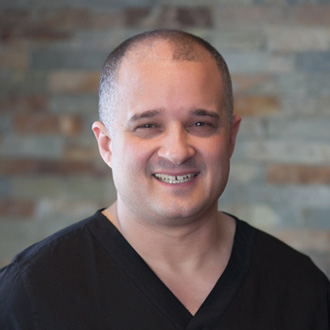
Dr. James Split is a board certified anesthesiologist at Chapel Hill Tubal Reversal Center.At Chapel Hill Tubal Reversal Center, we use general anesthesia for our tubal reversal surgeries. You will be completely asleep through your operation. When under general anesthesia, you will be totally unconscious and will not be able to feel any pain. In addition to the general anesthetic, your tubal reversal surgeon will place local anesthetic into the skin and deeper structures that are operated on to help you be as comfortable as possible when you wake up.

You will have an IV started after you arrive at the surgical center on the morning of your tubal reversal procedure. After you arrive in the operating room, we will give you an intravenous sedative similar to Valium to help you relax prior to going to sleep. We will take a blood pressure reading and then ask you to take several deep breaths of oxygen through a loosely applied face mask. We will put a sedative medication into your IV line that will make you fall asleep very quickly, usually in 10 to 20 seconds. We will keep you asleep during your surgery by having you breathe an anesthetic gas. During your operation, you will be given additional IV medications to prevent post-operative nausea and vomiting, and to minimize pain when you awaken.

We usually place a soft airway in your mouth after you are asleep. This airway is positioned behind your tongue to keep your airway open. This allows us to be sure you always have a safe open passageway for oxygen to enter your lungs. This airway goes into your mouth after you are asleep and is removed when you awaken. Most patients do not remember having a soft airway in their mouth, but some patients will have a scratchy or sore throat for 12 to 24 hours after surgery.

The anesthesiologist or nurse anesthetist will always remain with you while you are asleep. Throughout your tubal reversal procedure, we will monitor your blood pressure, heart rate, temperature and oxygen concentration in your bloodstream. You will awaken quickly after your surgery. Most patients are able to move themselves off the operating room table onto the stretcher to be taken into the recovery room.

Sometimes patients ask if they can have conduction anesthesia such as an epidural. We do not use epidural as outpatient anesthesia because of the risks involved. The method of general anesthesia that we use is safer than conduction anesthesia in the outpatient setting and less likely to cause a complication requiring hospitalization.

Easy Recovery After Tubal Reversal Surgery

May 5th, 2008

Pam Mills, CRNA is a nurse anesthetist at Chapel Hill Tubal Reversal Center.

Anesthesia for Tubal Ligation Reversal

Submitted by Pam Mills, CRNA

Being part of the anesthesia care team at Chapel Hill Tubal Reversal Center has given me the opportunity to work one on one with tubal reversal patients in an outpatient setting and to assure they receive the best medical care they have ever experienced.

For anesthesia purposes, we record pain scores and the incidence of postoperative nausea for all of our patients. We conduct comprehensive reviews of our data and implement changes to our anesthesia protocol, if necessary. This performance improvement activity is the beauty of working in a small private setting.

All of our patients receive individual attention and care. We have had patients tell us, “This is the first time in my life I have not been sick after anesthesia!” and “This was the easiest anesthesia I have ever had!”

I can’t think of anything more rewarding than to have helped our patients have a safe and pleasant experience while they are here for their tubal ligation reversal procedures.

Personalized Anesthesia Plan

If a patient tells me that she experienced nausea after an anesthetic in the past, I sit down with her and discuss our anesthesia plan and how it is designed to optimize her comfort and well being during her postoperative recovery. I want her to be confident that she will be well taken care of and that we will do everything in our power to make this anesthetic different from what she experienced previously. Our patients receive two medications through their IV to prevent nausea, and for patients with special needs I give what is is fondly referred to as my “special cocktail”. This cocktail has a combination of two additional anti-nausea medications, also given through the IV before the patient wakes up. This covers all the possible trigger centers in the body that can cause nausea.

Power of Positive Thinking

I usually end our discussion of postoperative nausea by telling the patient and family member that this will be the last we will mention of this subject, as I am a firm believer in planting the seed of positive thought. So from then on I want them to focus on positive thinking, knowing that she will be well taken care of and anticipating that she will wake up feeling well and free of pain or nausea.

Patient Care at Chapel Hill Tubal Reversal Center

Our dedication to patient care and outcome is evident in our patient follow up care. Every patient is entered into our computerized database. This database includes information from the day of surgery, their postoperative recovery, follow upcontacts by our nurses, as well as every pregnancy following the tubal reversal procedure through to its outcome. There is no better place for women to have tubal reversal surgery than at Chapel Hill Tubal Reversal Center. Our anesthesia staff goes to extra lengths to ensure the patient’s safety, comfort, and sense of well-being during and after the tubal reversal procedure.

Anesthesia For Outpatient Tubal Reversal Surgery

March 28th, 2008

There have been many milestones in outpatient anesthesia since its inception. Imagine what the first patient was thinking when told he or she would be going home the same day after the administration of a general anesthetic! These milestones include vast improvements in patient monitoring, shorter acting anesthetics, and improved surgical techniques.

Anesthesia at Chapel Hill Tubal Reversal Center

All patients at Chapel Hill Tubal Reversal Center receive “general” anesthesia. General anesthesia for any day surgery center, but specifically for tubal reversal surgery, begins with our first phone call to prospective patients, weeks and sometime months before the actual surgical procedure. As an anesthesia provider this offers me a unique opportunity to care for patients in an outpatient, day surgery setting.

Our patients travel from all over the world to have their tubal ligation reversal performed by Dr Gary Berger. Some patients have just the basic preoperative lab work, while others have medical problems that require additional preoperative lab tests. In either case, these are done in the patient’s hometown and then faxed to our office for review.

Before Your Tubal Reversal Procedure

We conduct our anesthesia interview over the telephone at least a month before the scheduled procedure. This is the first step to providing good, comprehensive outpatient anesthesia care. Our next step is to send each patient written instructions of what to expect when they arrive in Chapel Hill.

Once our patients arrive at Chapel Hill Tubal Reversal Center we meet them personally and go over their history again. This ensures that both the patient and the anesthesiologist understand each other completely. We also review their instructions for that evening, making sure they understand completely about diet and other restrictions they will have to follow. The morning of surgery is less stressful for our patients because they have met our staff and have a full understanding of what to expect.

During And After Your Tubal Reversal Procedure

The tubal reversal procedure is short, only about an hour. We work closely with Dr. Berger to assure optimal pain control. During the surgery he injects local anesthesia into the muscles and surrounding tissues, thus decreasing the amount of general anesthesia necessary. In addition, our patients need less postoperative narcotics.

Our postoperative focus is then on nausea and pain control. Since each person is different, we monitor pain scores, and when our patients are comfortable they are discharged from our step down recovery room to their own hotel rooms.

We follow up with each patient and have an on going data base so that we may continue to improve our patient care in the area of tubal reversal anesthesia.

Anesthesia Team At Chapel Hill Tubal Reversal Center

Our anesthesia staff help make your tubal reversal safe and comfortable
Pam Mills CRNTimothy Harwood MD Caryn Hertz MD
Chapel Hill Tubal Reversal Center Anesthesia Staff

We Will Ensure Your Comfort

Our experienced anesthesia team will ensure your comfort before, during, and after your tubal reversal surgery. Our two board certified anesthesiologists and registered nurse anesthetist (CRNA) specialize in outpatient anesthesia and have a total of more than 50 years of combined experience. We are an essential part of the medical and nursing team who will assess your medical status prior to surgery and will care for you during and after surgery. Our experience working every day with Dr. Gary Berger in the operating room and the recovery nurses in the post-anesthesia care unit results in the most effective care for each patient.

Submitted by Pam Mills, CRNA

Anesthesia at Chapel Hill Tubal Reversal Center

December 5th, 2007

Chapel Hill Tubal Reversal Center Anesthesia Team

The anesthesia staff at Chapel Hill Tubal Reversal Center specializes in anesthesia for outpatient tubal reversal surgery.The Anesthesia Team at Chapel Hill Tubal Reversal Center ensures your comfort before, during, and after your tubal reversal procedure. We are Caryn Hertz, MD, Pamella Mills, CRNA, and Ann Pflugrath, MD. Our team consists of two board certified anesthesiologists and a registered nurse anesthetist specializing in outpatient anesthesia. Our experience working every day with Dr. Berger results in the best care for each tubal reversal patient.

Ensuring Patient Safety

We assess the patient’s medical history even before they come to Chapel Hill Tubal Reversal Center. We speak with each patient by phone several weeks before their scheduled tubal reversal procedure. Most patients have just the basic preoperative lab tests. Some patients with medical conditions require additional tests. All of the preoperative lab work is done in the patient’s hometown, with the results being faxed to us for review. Each patient is sent written instructions of what to expect when they arrive at Chapel Hill Tubal Reversal Center.

On the day of your preoperative consultation with Dr. Berger, we will meet with you to review your medical history again. We will discuss instructions for the evening before surgery, such as about diet or other restrictions to follow to make sure you understand them. The day of surgery is less stressful for our patients because they have met our staff and have a full understanding of what to expect.

Ensuring Patient Comfort

Tubal reversal surgery by Dr. Berger is short. You will be asleep with “general” anesthesia during the 60-90 minute procedure. We work closely with Dr. Berger to assure excellent pain control after you awake from the operation. Dr. Berger injects local anesthesia into the muscles and surrounding tissues during tubal reversal surgery. This reduces the amount of anesthesia during surgery and the need for postoperative pain medication. Our postoperative focus is on nausea and pain control. Patients are discharged from the recovery room when they are comfortable, usually within one or two hours, and they are taken to their room at the Sheraton Hotel.

We Want You To Have The Best Medical Care Ever

We are fortunate at our day surgery center to have state of the art equipment with which we carefully monitor over 15 parameters during and after the tubal reversal procedure. We follow-up with all of our patients and review the evaluation forms that they complete when they have recovered. We pay special attention to any comments patients offer. Our goal is to keep tubal reversal surgery at Chapel Hill Tubal Reversal Center safe, comfortable, and the best medical experience our patients have ever had!

More information on » outpatient anesthesia

Special Report

Answers to seven important questions to find out if tubal reversal is right for you.

Telephone 919 968-4656 to speak with a Tubal Ligation Reversal Nurse

Call a Tubal Reversal Nurse
for a free consultation -

(919) 968-4656

Pregnancy Announcements | Latest Additions | FAQs | Press | MD News | Mission Statement | Privacy Policy | Doctors Directory | Site Map


http://www.tubal-reversal.net/includes/footer.php  was last modified on November 1st, 2009 18:15:35

Chapel Hill Tubal Reversal Center.
109 Conner Drive Suite 2200, Chapel Hill, NC 27514
Tel: (919) 968-4656     Fax: (919) 869-1976