Chapel Hill Tubal Reversal Center
109 Conner Drive Suite 2200, Chapel Hill, NC 27514 (919) 968-4656

Tubal Reversal Blog ‘reversal’

Tubal Ligation Reversal Procedure : Georgia Peach Travels For Reversal

March 3rd, 2009

tubal-reversal-patient-geor8I had to work the day we were supposed to leave for North Carolina. I thought the day would never end. All of my coworkers knew I was having surgery and wouldn’t be back for a week. A few asked me questions, I tried not to think too much about the surgery because I was very nervous about it. My boss left halfway through the day to go pick up some things for the office. I was glad for the small break to mentally regroup to get through the rest of the day. Read the rest of this article and comment on it. »

Tubal Reversal After 40 – Benefits

February 6th, 2009

Picture of summer flower in front of the tubal reversal center.This is fourth in a series of articles for women wanting to become pregnant after tubal ligation reversal and who are age 40 and older.  This article describes the multiple benefits of tubal reversal compared with IVF (in vitro fertilization).

Read the rest of this article and comment on it. »

Tubal Ligation Reversal After 40 | Pregnancy and Infertility

January 29th, 2009

Tubal ligation reversal is very successful at allowing women who have had their tubes tied to become pregnant again. In general, 70% of women who have their tubes untied at Chapel Hill Tubal Reversal Center become pregnant after  reversal of tubal ligation. This overall statistic is based on all patients, but there is variation depending upon an individual’s  age and method of tubal ligation.

Read the rest of this article and comment on it. »

Tubal Ligation Reversal After Age 40 | Introduction

January 26th, 2009

Quest for children through tubal ligation reversal surgery.Chapel Hill Tubal Reversal Center specializes in reversing tubal ligation and repairing damaged or blocked fallopian tubes. We perform over 800 tubal repair surgeries per year and have patients who travel to us from around the world and across the United States to have tubal surgery at our center.

Read the rest of this article and comment on it. »

Momzilla Reveals Her True Identity

October 6th, 2008

Momzilla is actually Tracy.  She is a 43 year-old married, mother of three and is employed as a Senior Human Resource Manager. Tracy is married to Glenn who is a Transactional Real Estate and Business Attorney. In the previous article, Meet Momzilla, Tracy described her symptoms of Post Tubal Ligation Syndrome (PTLS).

Tracy is currently four months out from her tubal ligation reversal surgery and both she and her husband describe her recovery.

In their own words….

Tracy

“Just weeks after my reversal the first thing I noticed was that I had lost the overwhelming sense of dread that had been shadowing me. As I was still healing from the surgery I was less fatigued and more energetic. My mood and outlook were “lighter”. My emotional healing began quickly and the physical healing soon followed. As the weeks passed I noticed improvement in my hair, skin and nails. I was sleeping again and my fogginess and inability to concentrate improved. I have not had a PMS headache, dizziness or tingling in my extremities. Each menstrual cycle since the reversal has gotten progressively better and more “normal”. My exaggerated and prolonged PMS symptoms have diminished. At about 6 weeks post reversal I got my libido back and, for that, my husband is eternally grateful (LOL!). I was no longer feeling like a stranger in my own body. Aside, of course, from getting my health back, the best part of my recovery has been re-connecting with my family. I feel like I have gone from the evil “Momzilla”, tired, moody and short-tempered all the time to just plain “Mommy” again. I feel at ease again in my own skin and with life. I no longer wake up dreading what symptom might take control of me. Shortly after the surgery, Glenn said to me “Welcome back, I missed you…”. In good times and in bad, he and I have always “loved” each other, but, for the duration of time that PTLS held me hostage, we “lost” our connection to each other. After the reversal, along with my obvious physical healing came the healing of my marriage and my family. It still amazes me that, after 3 years of suffering, I could see relief from my symptoms so quickly. I hope, through this series of blogs, that more women and their families as well as their physicians can be educated about PTLS and know that a reversal can bring them new hope for restoring their health and their lives.”

Glenn

Aside from the symptoms, the tragedy of PTLS is that we could have ended up divorced if Tracy didn’t have an inquisitive mind and, after almost three years, discovered PTLS online. From my viewpoint, PTLS transformed my best friend and wife into a detached unaffectionate roommate. Since the medical community did not recognize the possible effect of the tubal ligation procedure, we did marriage counseling which, of course, was unhelpful at best and could not succeed since the cause of the problem was biological. With no other explanation available from medical “experts”, we went through a series of episodes of “blame” with pop-psychology reasons to explain disinterest, depression and other symptoms that we didn’t know were symptoms. I received some truly bad advice from well-meaning sources. Symptoms like memory loss also put a strain on day-to-day living. In the end, we made it through because we started with love, a strong relationship and mutual respect. I have to wonder how many marriages have ended without ever knowing the reason?

I hope that the data compiled by the Chapel Hill Tubal Reversal Center can be used to provide proof to the medical community of this syndrome because it could help so many families if doctors provided pre-tubal ligation counseling and recognized this a possible cause of common symptoms experienced by women.

This is the eighth article in our fourteen part series on PTLS and associated medical conditions. The first article of this series, Pain After Tubes Tied: A Symptom of Post Tubal Ligation Syndrome?, discusses the most common symptoms associated with PTLS.

Our next several articles will present stories of our patients who have sufferred from worsening menstrual, physical, and emmotional symptoms after surgical sterilization procedures ( women who had their tubes tied).
Readers can also view other patient submitted stories about their menstrual symptoms, reasons for reversing tubal ligation, and outcomes after reversal reversal surgery. Each patient’s story is listed below:

Meet Andrea
Meet Rebecca
Meet Praybelieving
Meet Katherine

We invite readers to join our Tubal Reversal Message board and discuss and share personal experiences with tubal ligation. We also have a dedicated PTLS forum for readers to share experiences of worsening symptoms after tubal ligation procedures.

Post Tubal Ligation Syndrome | A Long Journey

September 29th, 2008

Post tubal ligation syndrome journey.

Some women will develop problems after a tubal ligation procedure. Many will attribute these symptoms to Post Tubal Ligation Syndrome (PTLS) and will consider sterilization reversal. Some of these women will not have PTLS but, instead will have other underlying  medical conditions.

We started this series of articles for women suffering from adverse symptoms developed after a tubal ligation. We discussed the symptoms of Post Tubal Ligation Syndrome (PTLS), current medical studies about PTLS, and common medical conditions that can closely mimic PTLS. Like a long bus ride, we have expected most passengers to have exited this bus trip at each of their respective and appropriate stops after a thorough evaluation of the possible causes of their symptoms. If passengers are still riding, then the only stop left is PTLS.

In the past, the existence of PTLS has been widely debated but not agreed upon in various medical studies. The largest study to date, the CREST study, found no significant difference in the percentage of women with menstrual problems after a tubal ligation with a “control” group of women who did not have a tubal ligation. The authors of the CREST study concluded that adverse symptoms do not ocurr as a  result of tubal ligation. This study, however, was not designed to study the multitude of symptoms that women report after surgical sterilization.

The end of the journey

Our experience at Chapel Hill Tubal Reversal Center suggests PTLS does exist for a select group of women for whom no contributing medical, psychological, or other causes have been identified. Among this group of women, the vast majority have reported dramatic improvement in their symptoms after a reversal of their tubal ligation.

We will report the stories of several of our patients (both before and after tubal ligation reversal) who have had worsening physical and psychological conditions after sterilization and who have come to us seeking tubal ligation reversal. They will share with us their symptoms and how they have fared after tubal ligation reversal (had their tubes untied).

This is the sixth article in our fourteen part series on PTLS and associated medical conditions. Our next several articles will present patients who have suffered from worsening menstrual, physical, and emotional symptoms after surgical sterilization procedures (women who had their tubes tied).

Readers can also view patient submitted stories about their menstrual symptoms, reasons for reversing tubal ligation, and outcomes after reversal reversal surgery. Each patient’s story is listed below:

Meet Momzilla
Meet Andrea
Meet Rebecca
Meet Praybelieving
Meet Katherine

Visitors may join the PTLS Forum on the Tubal Reversal Message Board to share their experiences of symptoms after tubal ligation procedures and what happened to them after a tubal reversal.

My address to former and future friends………

August 18th, 2008

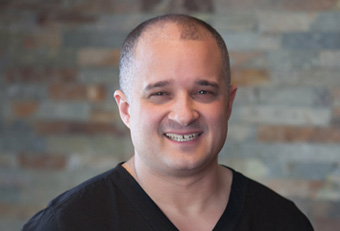
In the spring of 2007, I had a chance encounter with an individual, which started me along a new career path. This path has led me to a specialization in tubal ligation reversal. In the summer of 2008, I joined Dr. Gary Berger at Chapel Hill Tubal Reversal Center as a ligation reversal specialist.

Many people have asked me why I decided to leave my practice of obstetrics and gynecology. To understand my reasons for leaving, one has to understand my reasons for entering the practice of medicine.

I entered the field of medicine with the very simple ideals of sacrifice, hard work, and self-determination to improve the human condition. These ideals were based on observations I had of my grandfather, who was a general medical practitioner.

My grandfather graduated from Meharry Medical School in 1932. He had two black bags, an office, and a red Studebaker sedan for house calls and visits to the hospital. He worked long hours and helped many people in the African-American community. His patients were his patients and he was their doctor. And, there simply were very few doctors who would see them during the times of racial segregation. They needed and depended on him and he needed them as well. He needed them to carry out his vision of what medicine was truly about – caring for those in need and significantly improving the human condition. He and two other independent physicians personally took care of patients for a five county area around Columbia, South Carolina. His patients loved and respected him. These three doctors worked hard for their community. If they were not there, then no one else would have been. My grandfather was a critical component of wellness for his patients.

As a young boy, I would go to work with my grandfather every Saturday. I would observe him working in his black and white checkerboard tiled office. I would sit behind his desk as he examined patients. I vividly remember the smell of alcohol, moldy penicillin- the sight of cotton balls in glass jars, scary metal syringes clanking inside metal trays, and the sounds of coughing coming from the waiting room. For the most part, I did not comprehend any of what occurred there, but I always remembered a good warm feeling. These Saturdays created many, many memories for me.

My grandfather shared many stories with me from his early days of being a healer. The practice of medicine for him was more of an art and less of a science. The only science at the time was anatomy and surgery. Penicillin had not yet been invented! My grandfather worked during the Great Depression, made house calls, and performed home births. There was no such thing as health insurance for any his patients. Many times he was paid in produce, livestock, and quite often nothing was paid to him. He did his job as a service to the people of South Carolina who would otherwise have no one else to turn to. He worked extremely hard because he was needed. And, because he saw the patients others doctors would not even touch, he was irreplaceable. As I grew older, I realized I admired his position as an irreplaceable caretaker who made a significant impact upon the lives of those he touched. To some extent, I chose this aspect of him as the most important quality I wanted to emulate.

As young man, I entered medicine with some of the romantic ideals I observed as a child. More specifically, I chose obstetrics and gynecology because it was one of the last remaining areas of medicine where you could be a complete physician. It was a discipline of medicine where you can treat illness, perform surgery and have long-standing relationships with patients and family members. Since finishing medical school, I have come to realize many things have changed since my grandfather practiced medicine. Many things have occurred which have made the field of medicine a very different entity from the vision I observed through my grandfather as a child.

The practice of modern medicine

Several aspects of modern medicine disturb me.

Patients no longer have their doctor. Instead, they go to a doctor who is allowed by their medical insurance. We live in a mobile society. Many patients change jobs, move and are never seen again. The same is true of mobile physicians.

Many doctors are controlled by either insurance companies, hospital administration, or by malpractice insurance companies. Medicine has become less of an art between two people and more of a business interaction. Medical practice decisions are not always made with patient’s best interest, but instead based on market share and the activities of the competition and capitalism.

Malpractice lawsuits and the threat of legal action are at the top of physicians’ concerns. Many treatment or diagnostic recommendations are not made for medical reasons, but more because of liability concerns. Often we order tests not to detect physical ailments, but rather to avoid liability problems.

Declining reimbursements and rising malpractice insurance costs have also created situations where doctors have to see larger number of patients in shorter periods of time. Seeing larger numbers of patients leads to quicker and less fulfilling relationships.

Patients’ concerns and questions do not always get addressed in the haste. Many times this can result in quick, impersonal physician patient interactions, which can sometimes lead to resentment and discontent.

Having to see larger numbers patients in stressful medical situations will sometimes creates interpersonal friction between nurses, staff, doctors and patients. Unfortunately, the interpersonal friction of the modern hospital environment has become commonplace and, in many instances, is considered both normal and acceptable. I always detested this last, unfortunate reality of modern medicine.

Over the last several years, I have found myself gradually growing despondent because of the realizations I have outline above. I am not saying what I did while practicing obstetrics and gynecology was insignificant, but I began to feel as if I were not making the significant difference in patients’ lives I had envisioned. I was not the vision of my grandfather.

Relationships between caregivers and patients are strained today. In my past practice, if I did not show up for work one day, then one of my eight partners would have covered for me. When I left at 5PM, then one of my partners would deliver the baby. If I did not do a patient’s surgery, then someone else would have. Many patients would leave in the middle of their prenatal care and resume care somewhere else never to be seen again. I felt as if I was a replaceable cog in the modern machine of medicine. These were not observations and feelings I had when I spent Saturdays with my grandfather.

Why did I decide to join Dr. Berger at Chapel Hill Tubal Reversal Center?

I decided to join the surgical center because it rekindled intense feelings in me about why I wanted to be a physician like my grandfather. In working at this surgical center, I am able to do very important things for patients and to significantly impact upon their lives. I am able to perform surgical techniques, which are gradually being forgotten by the medical world. I have a sense of being both critical and irreplaceable.

Most people do not realize how important a medical facility Chapel Hill Tubal Reversal Center is. The center is the only facility in the United States, which specializes in the reversal of tubal ligations. There are several reversal providers scattered around the states; however, they mostly do in-vitro fertilization (IVF) and very few reversal surgeries.

Tubal ligation reversal is becoming a dying surgical art – not because the surgery is ineffective (it is far more successful than IVF), but because current reproductive endocrinologist are not getting trained in ligation reversal. Current endocrinology fellows leave their training programs with little or no experience in tubal ligation reversal. The infertility specialist of tomorrow is not getting the ligation reversal training they need today. Why? Insurance plans will not pay for the surgery and the procedures are too costly if done in hospitals and training centers.

Many patients come to Chapel Hill Tubal Reversal Center from all over the world pursuing dreams of more children or feeling more complete through reversal of their sterilization. Many women have regret over their prior decisions and want to be made whole again. Many women undergo sterilization only to have extreme psychological distress, as events unfold in the future over which they have no control. Many women chose sterilization because they were in terrible relationships only to find a loving partner with whom they want more kids. Some patients have religious conversions and want to be as God intended them to be. Sadly, some women have had children die and they long to replace that missing face. For me, there is a greater sense of purpose in using my skills as a physician.

Dr. Berger has been the sole provider of ligation reversal at Chapel Hill Tubal Reversal Center and has done over 7,000 reversal surgeries. He has pioneered a surgical technique, which allows the surgery to be done quickly on an outpatient basis. As a result, tubal ligation reversal at the center is far less costly than hospital provided ligation reversal. Many women have benefited from his tireless work over the last twenty years. If Dr. Berger did not come to work, then many women would not have the option of sterilization reversal.

One can easily see when Dr. Berger offered to train me, I would have been a fool to decline his offer.

When I came to understand the important nature of the work, which was done at the center, I began to remember what my core values were. I felt like I could be a real doctor again. Using my talents, I could help individuals who would have nowhere else to turn. I can make a significant impact upon both my life and the lives of the patients and families I treat. These were feelings I had regarding the work of my grandfather.

As I depart….

I have had many fond memories of working as an academic generalist obstetrician and gynecologist. I have great memories of working with many bright and talented residents and medical students- many humorous stories from many late night experiences. I have had wonderful relationships with nursing and support staff and will miss them dearly. I have been privileged to bring many beautiful babies into this world. Mostly, I will miss the patients who chose me as their physician and allowed me to walk them through the problems of their lives.

Week number two: A beautiful ligation reversal

August 4th, 2008

I started week number two at Chapel Hill Tubal Reversal Center with a beautiful ligation reversal.

Our patient was from North Carolina. She had a tubal ligation, which was done with bipolar cautery (burning) several years ago.

She went to her doctor to have her tubes tied, and after the surgery, her doctor told her, “The procedures I do are irreversible. You will never get pregnant again.” She told me she was fine with this at the time, but deep down she had feelings about why the doctor did such an aggressive procedure. She told me she thought to herself, what if she ever wanted to get pregnant again?

Well none of us can predict the future. As things so often go, she met a very special man who did not have any children. They married and together they desired a child. They came to us seeking to have her tubes untied.

I reviewed her operative note and things did not look good! Her operative note described cautery of the tube starting at the ampullary segment (the very end of the tube), and then cauterizing along the entire tube towards the side of the uterus. From the appearance of the operative note, it appeared most of the tube had been destroyed.

I recommended a screening laparoscopy to give us a quick evaluation before undergoing any surgical incisions. This would allow us to stop early if the tubes were not repairable. Unfortunately because of her Body Mass Index (BMI) issues, we were not able to proceed with a laparoscopy. Although we will perform tubal reversals for patients with BMIs up to 35, we do not perform laparoscopy for patients with a BMI over 30 due the possible increased risk of surgical complications.

This patient wanted a reversal and it was her personal decision to undergo a surgical incision so she could have an evaluation of her tubes.

As we started her surgery, we were uncertain if she would have repairable tubes. This was a wonderful patient who emanated a sense of enthusiasm and faith. She was someone you would characterize as having a beautiful personality. The entire surgical team was praying we would be able to help her.

As we started the incision, I was inwardly a little pessimistic that we would not be able to find any repairable tubes. I was afraid her doctor’s declaration about the nature of his tubal occlusions would be correct. I worried we would have to open her up, observe both her tubes having been obliterated and have to close her without doing her any good.

I was especially fearful of having to make the long surgeon’s walk. The long surgeon’s walk is the short, but measurable walk to the recovery/waiting room to give bad news to a patient’s family.

The worst thing for any tubal reversal surgeon is to have to tell a patient we could not repair their tubes. This is very comparable to a general surgeon having to tell a family their loved one did not make it through a risky surgery. To be honest, the two bad results are vastly different, but for a woman desiring tubal ligation reversal, it can feel very similar.

Things seem to happen for reasons. We found her to have good end segments and, as the operative note described, the tubes were cauterized to the very extreme side of the uterus. We were able to recover about 3cm of distal tube and found the remaining tubal lumens where they were hidden deep in the walls of the uterus. Isthmic-ampullary tubotubal anastamosis (tubal ligation reversal) was done on both sides and the average length of both tubes was about 3cm.

They ended up being short tubes. But short tubes are theoretically better than no tubes or closed tubes. We do have patients report pregnancies with tubal lengths much shorter than these.  We cannot create tubes. We can only work with what we find. Pregnancy for this patient is now very, very possible and prior to her reversal surgery, a natural pregnancy was impossible.

After the surgery, the entire team was thrilled. We never want to disappoint any patient, and we were able to give this woman both of her tubes back.

Dr. Berger and I were both very happy for this patient. We will be even happier when she reports a sticky bean to us (that’s a pregnancy for those who are not savvy to our Message Board lingo)!

Untying Tied Tubes: Monopolar Electrocoagulation

May 17th, 2008

History of Tubal Sterilization

The first tubal sterilization method was tubal ligation and resection, reported in 1881! Ligation and resection- or ‘tying tubes’ was the most common surgery for sterilization until the advent of laparoscopic surgery in the mid 1900’s. As laparoscopic surgery became more popular, electrocoagulation (electrical burning) of the fallopian tubes became a popular method of female sterilization.

Tubal Electrocoagulation Results in Burned Tubes

Monopolar tubal coagulation is one method of tubal sterilizationThe first description of laparoscopic electrocoagulation, in 1962, used a type of electrical current termed monopolar current – hence the term monopolar tubal coagulation. This sterilization procedure uses electric current to destroy part of the fallopian tube. The burned part of the tube turns into scar tissue and the remaining tubal segments are separated and blocked. This was a very popular form of laparoscopic sterilization from 1970 until the early 1980’s.

Although monopolar electrocautery is a very effective form of tubal sterilization, studies showed that it had a higher complication rate than for electrocoagulation using bipolar current, where the damage to the fallopian tube (or other structures) is more easily restricted. Sterilization procedures done by monopolar current are gradually decreasing and being replaced with bipolar current. Monopolar cautery, however, is still used for tubal sterilization by some doctors.

Can Burned Tubes Be Repaired?

Patients often ask whether burned tubes can be repaired. In most cases, monopolar electrocoagulation sterilization procedures can be reversed. The success of reversal is dependent on the amount of fallopian tube that has been damaged by the electrocautery. This information is usually available in the tubal ligation operative report. When in doubt, a screening laparoscopy can be performed. Approximately 50% of patients at Chapel Hill Tubal Reversal Center will become pregnant after a reversal of a monopolar coagulation sterilization procedure.

Many people, including doctors, have been told that tubal sterilization is permanent and irreversible. Although monopolar tubal coagulation is intended to be permanent, this procedure is usually revesible. The best place for women to have their tubes ‘untied’ when they have been burned is Chapel Hill Tubal Reversal Center – the only medical facility that specializes in reversal of tubal ligation.

Submitted by Dr. Charles Monteith

Watch Tubal Reversal Surgery

November 19th, 2007

How Fertility is Restored Through Outpatient Tubal Reversal

This video clip comes from a Discovery Channel production featuring the tubal reversal procedure that I perform. The film crew followed Deborah and Paul Martinez as they proceeded through their tubal reversal journey. The operation was filmed in its entirety and I describe each step as I proceed through the procedure. The video clip available here is only 3 minutes in length, but the entire operation is available in a free videotape or DVD. Originally aired as part of the series, “The Operation”, the film has also been broadcast on TLC (The Learning Channel) and on “The CBS Early Morning Show”.

Click to order video or DVD.
Order Free Tubal Reversal Video or DVD

The video tape or DVD is free of charge for personal viewing. There is a small charge for shipping and handling.

This video shows step-by-step how I repair the fallopian tubes after a tubal ligation in a one-hour outpatient procedure that is comfortable for the patient and results in very quick recovery.

Once you see this you will understand why patients come to Chapel Hill Tubal Reversal Center from all over the US as well as from other countries for their tubal reversal procedure. Besides its comfort and fast recovery, my procedure has the highest success rates of any operation to repair the tubes and it more successful than the alternative (and more expensive) treatment of IVF.

http://video.tubal-reversal.net/

More information on » reversal

Special Report

Answers to seven important questions to find out if tubal reversal is right for you.

Telephone 919 968-4656 to speak with a Tubal Ligation Reversal Nurse

Call a Tubal Reversal Nurse
for a free consultation -

(919) 968-4656

Pregnancy Announcements | Latest Additions | FAQs | Press | MD News | Mission Statement | Privacy Policy | Doctors Directory | Site Map


http://www.tubal-reversal.net/includes/footer.php  was last modified on November 1st, 2009 18:15:35

Chapel Hill Tubal Reversal Center.
109 Conner Drive Suite 2200, Chapel Hill, NC 27514
Tel: (919) 968-4656     Fax: (919) 869-1976