






This is the fifth article of a series dedicated to women considering alternatives for pregnancy and tubal ligation reversal after the age of 40. The previous article provided an overview of the benefits of tubal ligation reversal at Chapel Hill Tubal Reversal Center for women in their forties. This article focuses on the surgical and early pregnancy risks for older women having their ‘tubes untied’.
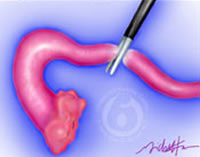
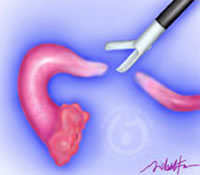
Tubal blockage or tubal occlusion (the medical term) is the reason that tubal ligation prevents pregnancy. The blockage of the fallopian tube prevents joining of the sperm and egg and prevents eggs from being able to reach the uterine cavity. In the case of tubal sterilization, tubal blockage is intentional. Tubal blockage may also occur due to disease conditions and result in involuntary infertility. Tubal blockage, whether intentional or from disease, can be corrected with reconstructive tubal surgery.
Facts about Tubal Blockage
Tubal blockage affects millions of women in the US and hundreds of millions worldwide. More than 10 million women in the US, and more than 100 million worldwide, have had a tubal sterilization. There are approximately 6 million infertile couples in the US. It is estimated that 10-20% (600,000 to 1.2 million) cases of infertility may be due to tubal disease. In the majority of cases, tubal occlusion due to disease is caused by pelvic inflammatory disease (PID), an infection of the fallopian tubes (salpingitis) and sometimes the ovaries and pelvic cavity. PID is “silent”, unrecognized, or misdiagnosed in many and perhaps in the majority of cases.
This video clip comes from a Discovery Channel production featuring the tubal reversal procedure that I perform. The film crew followed Deborah and Paul Martinez as they proceeded through their tubal reversal journey. The operation was filmed in its entirety and I describe each step as I proceed through the procedure. The video clip available here is only 3 minutes in length, but the entire operation is available in a free videotape or DVD. Originally aired as part of the series, “The Operation”, the film has also been broadcast on TLC (The Learning Channel) and on “The CBS Early Morning Show”.
The video tape or DVD is free of charge for personal viewing. There is a small charge for shipping and handling.
This video shows step-by-step how I repair the fallopian tubes after a tubal ligation in a one-hour outpatient procedure that is comfortable for the patient and results in very quick recovery.
Once you see this you will understand why patients come to Chapel Hill Tubal Reversal Center from all over the US as well as from other countries for their tubal reversal procedure. Besides its comfort and fast recovery, my procedure has the highest success rates of any operation to repair the tubes and it more successful than the alternative (and more expensive) treatment of IVF.
There is just one way to know what the success after tubal reversal surgery is – and that is by documenting pregnancy and birth rates. This requires long term patient follow-up. Our ongoing follow-up system records the outcomes of every reversal procedure and provides the results for all to see. We are the only medical facility that does this! Chapel Hill Tubal Reversal Center publishes weekly pregnancy reports and pregnancy statistics that include pregnancy rates and pregnancy outcomes for my patients.
Making Surgery Comfortable for the Patient
Tubal reversal surgery traditionally has been a major operation with several days of recovery in a hospital due to postoperative pain and disability. These can be avoided.
Postoperative pain following abdominal surgery comes mainly from muscle and connective tissue injury. Abdominal retractors (metal instruments that pull back on the skin, connective tissues, and muscles) are traditionally used to give wide exposure to the pelvic organs during surgery. Pressure from abdominal retractors causes reduced blood flow to the retracted tissues, resulting in postoperative pain. The operation is best performed without retractors.
Surgical packs (large gauze pads) traditionally are placed into the abdomen to push the intestines away from the pelvic organs during surgery. Packs cause postoperative bloating due to intestinal irritation. These can be avoided also.
Injecting a local anesthetic where surgery is performed – even though the patient is asleep during the procedure – further minimizes postoperative pain. (This is called preemptive analgesia.) These are some of the ways I make tubal reversal surgery comfortable for patients. Making surgery comfortable improves recovery, avoids the need for hospitalization, and results in a low cost tubal reversal procedure.
Our follow-up pregnancy statistics from over 5000 tubal reversal patients show that tubal reversal is more successful than IVF. This is because once the tubes are repaired, there is a chance every month of conceiving naturally. The pregnancy rate is higher after tubal reversal than after IVF for women iof all ages. Furthermore, the cost is much less than a single IVF treatment cycle.
109 Conner Drive, Suite 2200 Chapel Hill, NC 27514
This blog is to share observations, experiences, and thoughts about tubal ligation reversal developed over the 30 years I have been performing tubal surgery. Others are welcome to contribute their own ideas, opinions, and questions.
109 Conner Drive Suite 2200, Chapel Hill, NC27514(919) 968-4656
Outpatient Tubal Reversal
http://www.tubal-reversal.net/patient-satisfaction-messages/Messages from tubal reversal patients of Dr. Berger and Dr. Monteith about the care they received at Chapel Hill Tubal Reversal Center
http://www.tubal-reversal.net/includes/footer.php was last modified on November 1st, 2009 18:15:35
109 Conner Drive Suite 2200, Chapel Hill, NC 27514 Tel: (919) 968-4656 Fax: (919) 869-1976