








Chapel Hill Tubal Reversal Center
109 Conner Drive Suite 2200, Chapel Hill, NC 27514 (919) 968-4656

Posts Tagged ‘tubal coagulation’

Untying Tied Tubes: Bipolar Electrocoagulation

Thursday, May 15th, 2008

History of Tubal Sterilization

The first tubal sterilization procedure, reported in 1881, was tubal ligation and resection. Ligation and resection - or ‘tying tubes’ was the most common surgery for sterilization until the advent of laparoscopic surgery in the mid 1900’s. As laparoscopic surgery became more popular, electrocoagulation (electrical burning) of the fallopian tubes became an additional method of surgical sterilization. Tubal sterilization by electrocoagulation uses electric current to cut and destroy the portion of the tube that is exposed to the electric current. These portions of the tube eventually heal and close.

Monopolar Tubal Coagulation

Tubal sterilization with monopolar coagulation forceps.The initial method of laparoscopic tubal coagulation, in 1962, used a type of electrical current termed monopolar current. Monopolar tubal electrocoagulation was a popular type of laparoscopic sterilization through the 1970’s and 1980’s. The medical community began to realize that the complication rate from this form of electric surgery was higher than for other electric surgical methods of tubal sterilization. Sterilization procedures done by monopolar current have gradually been replaced with bipolar current.

Bipolar Electrocoagulation of the Fallopian Tubes

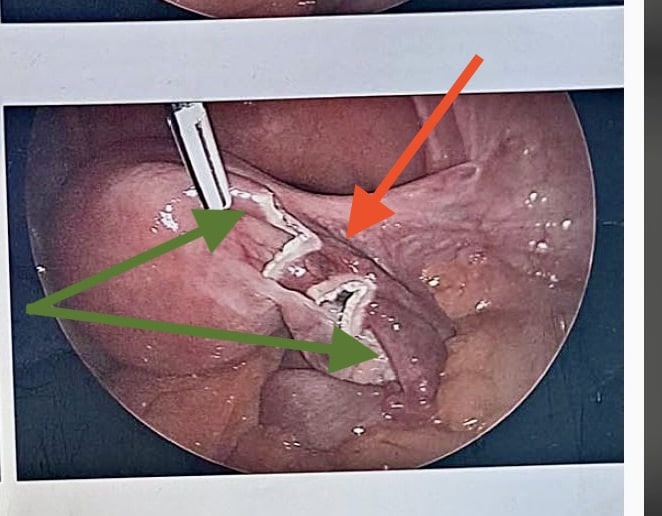
Tubal sterilization with bipolar coagulation forceps.The first reported sterilization using bipolar electrocoagulation was in 1972. This was done via a laparoscope inserted just under the belly button. During bipolar coagulation, the electrical current can be more precisely controlled, resulting in less tubal damage than monopolar coagulation. This sterilization procedure results in higher reversal success rates than monopolar electrocoagulation.

Reversing Tubal Sterilization

Many people, including doctors, mistakenly believe that tubal sterilization is permanent and irreversible. Although bipolar coagulation sterilization is intended to be permanent, this procedure can be reversed successfully in almost all cases. The success rates depend on how many different areas of the tube were damaged with electrocautery. Approximately 60- 70% of patients at Chapel Hill Tubal Reversal Center become pregnant after a reversal of a bipolar coagulation sterilization procedure. Chapel Hill Tubal Reversal Center is the only medical facility that specializes exclusively in reversal of tubal ligation. We perform tubal ligation reversals every day, and our tubal reversal doctors are experts in reversing all types of tubal ligations- or ‘untying’ tubes that have been ‘tied’!

Submitted by Dr. Charles Monteith

Ethics of Tubal Ligation

Wednesday, December 26th, 2007

Tubal Sterilization For Young Women With No Children

One of today’s patients at Chapel Hill Surgical Center was a woman in her thirties who recently become married and had a tubal ligation at age 24 years when she had no children. Her tubal ligation had been performed by a tubal coagulation procedure in which the fallopian tubes were burned at the junction of her uterus. The tubal lumen or opening within the uterine wall was scarred completely on both the right and left sides from the burning procedure. Therefore, the only way to perform a tubal reversal was through the technique of tubouterine implantation.

I mention this case because it was unnecessarily destructive, especially when performed for a young woman with no children. Many studies show that these are women who are most likely to change their minds later on and want to be able to have children. In this case, almost any other tubal ligation procedure would have been preferable. In my view, the best choice of a tubal ligation for a young woman with no children is the clip method (either Hulka clip or Filshie clip).

I have encountered other cases like this in the past. I wonder if the doctor who performed her tubal ligation considered the possibility that the patient might change her mind, and therefore it would be preferable to perform a tubal ligation better suited to reversing at a later time, should the need arise.

Comments Welcome

I am interested in what other people think about this.

Tubal Reversal After Tubal Coagulation (Burned Tubes)

Friday, November 30th, 2007

Tubal Ligation by Coagulation or Cauterization

Bipolar tubal coagulation usually damages a small amount of fallopian tube and is an excellent tubal ligation method for tubal reversal.Bipolar tubal coagulation is a popular method of female sterilization in the United States. This tubal ligation method is usually performed through laparoscopy. With the bipolar (two-poles) coagulator, the fallopian tube is grasped between two poles of electrical conducting forceps and electrical current is passed through the tube between the two ends of the forceps. Damage to the tube is limited mainly to the small segment between the forceps. Burning two or three adjacent sites is common and generally results in the loss of a few centimeters of the fallopian tube. Bipolar tubal cauterization can be successfully reversed in almost all cases.

Monopolar tubal coagulation is a tubal ligation method that results in moderate pregnancy rates after tubal reversal surgery.Monopolar tubal coagulation is less common than bipolar coagulation tubal ligation. With monopolar forceps, electrical current spreads further along the length of the fallopian tube. Consequently, monopolar cautery tends to damage more of the fallopian tube than bipolar cautery. In many cases, the tube is also cut after it has been coagulated.

When monopolar coagulation is applied to a single site of the tube, tubal reversal can be performed without the need for further diagnostic tests. If multiple sites of the fallopian tube have been burned with the monopolar technique, we offer a screening diagnostic laparoscopy to evaluate the tubal lengths before proceeding to reparative surgery. The screening laparoscopy option is discussed further on our website.

Tubal Coagulation Reversal Success

Each year Chapel Hill Tubal Reversal Center publishes updated statistics about pregnancy rates and pregnancy outcomes among all of the women who have had tubal reversal procedures performed by Dr. Berger. The data for women who had tubal coagulation sterilizations, presented in the table below, are from our Tubal Reversal Pregnancy Study Report 2007.

Pregnancy Rates of Our Tubal Reversal Patients

The overall pregnancy rate after tubal reversal for women with tubal coagulation procedures is 68% for patients at Chapel Hill Tubal Reversal Center. To calculate the pregnancy rate, the number of women who have become pregnant is divided by the total number who underwent a tubal reversal procedure. The following table shows the numbers and pregnancy rates according to womens’ ages at the time of their tubal reversal surgery.

Pregnancy Rates After Tubal Coagulation Reversal


Age


All Women


Pregnant (#)


Pregnant (
%)

<30

168

142

85%

30-34

482

357

74%

35-39

408

260

64%

40+

130

46

35%

Conclusion

Tubal coagulation methods of tubal ligation can be successfully reversed in most cases. The pregnancy rate after tubal reversal varies with a woman’s age at the time she has her tubal reversal procedure. The pregnancy rate is 85% for women in their twenties, 74% for those ages 30-34, 64% for women in the 35-39 year age group, and 35% for women 40 years of age or older.

Call (919) 968-4656 To Speak With a Tubal Reversal Nurse

Pregnancy Announcements | Daily News | Latest Additions | Press | MD News | Site Map | Español
Website updated May 16th, 2008 Chapel Hill Tubal Reversal Center© Chapel Hill Tubal Reversal Center
109 Conner Drive Suite 2200, Chapel Hill, NC 27514 (919) 968-4656
   Tubal Reversal News ?>
109 Conner Drive Suite 2200, Chapel Hill, NC 27514 (919) 968-4656
