






 Women come from all over the world to A Personal Choice for tubal reversal surgery. It is natural, and appropriate, for them to ask what their chances will be for pregnancy after a tubal reversal procedure performed by Dr. Berger. This important question about the anticipated benefit should be asked of any doctor before undergoing elective surgery. When answering questions about pregnancy after tubal reversal, we provide detailed information including pregnancy rates and their supporting data.
What Is The Success of Tubal Reversal?
There is only one way this question can be answered, and it requires ongoing follow up with patients to learn the results of their tubal reversal procedures. At A Personal Choice, we take this task to heart. Our nurses contact patients repeatedly during the first year after their surgery. When a patient informs us of a new pregnancy, we ask her to complete a Pregnancy Report Form. From this information, we provide a summary on the Weekly Pregnancy Reports Forum. The Weekly Pregnancy Report lists the age, date of tubal reversal, date of positive pregnancy test, method of tubal ligation, and tubal lengths after tubal repair for each pregnant woman. Additional comments about these pregnancies are shown in the Pregnancy Announcements.
Our various pregnancy information forums allow people to see the results from tubal reversal surgery performed by Dr. Berger on an current basis. The reports are not “filtered” to show only successful pregnancies. They include information about miscarriages and ectopic pregnancies as well. We want people to be fully informed about all of the possible outcomes after tubal reversal. One of our missions at A Personal Choice is to provide complete and accurate information about all aspects of tubal reversal surgery!
Pregnancy and Baby Testimonials
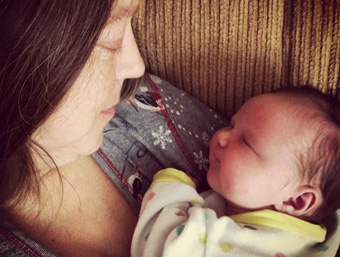
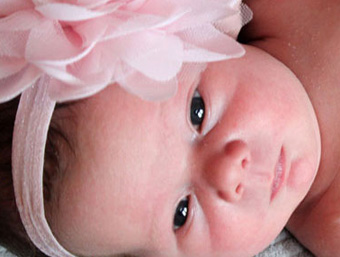
Some patients send us messages accompanied by photos after they have delivered their babies. These are spontaneous reports. Although we don’t ask patients to send us testimonials, we love receiving and reading them! They are added to the Testimonials section of our site for others to enjoy as well. Currently there are about 700 testimonial pages.
Testimonials Pages
When a patient sends us a birth announcement and photo to be added to Pregnancy and Baby Testimonials, we update an index page so that there is a link at the top of the page to the newest baby testimonial. The index page is what visitors see first when they click on any link to Testimonials. This page has brief quotes with a link to the full testimonial for each patient. We limit the index page to about 30 summaries. To see previous testimonial index pages, click the “Next” link at the bottom of the page. This will show the immediate prior group of testimonial quotes and links. Currently there are 48 testimonial index pages. To see a listing of all the testimonials, look at the Testimonials Site Map.
Our patients share so many different stories about their pregnancies and deliveries after their tubal reversal procedures. Most people don’t realize how many testimonials there are (689 as of January 13th, 2008. The testimonial number is shown in the “bread crumb” at the top left hand side of the page.) To protect patients’ privacy, only the first initial of the last name is shown. Many women include their email addresses and are happy to correspond with others about their experience here.
Pregnancy and Birth Statistics After Tubal Reversal
Since pregnancy and its outcome are the primary concerns of most women who come here for a reversal procedure, we do everything possible to obtain and report this information on an ongoing basis. This keeps us informed about the number of pregnancies and what their outcomes were after tubal reversal. It also allows us to answer questions and guide patients who are waiting to become pregnant. This takes the efforts of a dozen nurses each day, in addition to their care of patients who are preparing for and undergoing surgery. No other medical facility has undertaken this effort.
As a result of the efforts of our staff and patients, we are able to perform careful analysis and report accurate statistics regarding pregnancy rates and births rates after tubal reversal procedures performed by Dr. Berger. This is referred to as “evidence based medicine”. It is consistent with our mission, and is one of the many reasons why A Personal Choice has become known as the best place to have tubal reversal surgery.