




The Truth About Endometrial Ablation and Getting Pregnant Again
If you have had your tubes tied and underwent an endometrial ablation, you may have been told that pregnancy is no longer possible or recommended.
However, life changes, and many women find themselves wondering if they can still grow their families.
The short answer is: Yes, it is possible, but there are some risks and certainly important factors you must understand before attempting to conceive.
The Challenge of Pregnancy After Endometrial Ablation
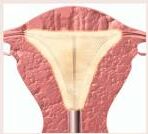 Endometrial ablation is a procedure designed to treat heavy periods by destroying the lining of the uterus (the endometrium).
Because a healthy uterine lining is essential for a fertilized egg to implant and grow, this procedure has an indirect effect that could lead to difficult pregnancies; but this situation is dependent on the degree and severity of the ablation procedure itself.
Most doctors recommend permanent birth control, such as tubal ligation or vasectomy, alongside an ablation because pregnancy in a scarred uterus could be dangerous. According to recent data, while the failure rate of ablation is low, approximately 0.7% to 3% of women may still become pregnant accidentally, if tubal ligation was not done at the time of ablation.
Why Most Doctors Advise Against It
The primary concern is that the ablation damages the uterine muscle and lining, which can lead to:
- Placenta Accreta, as the placenta grows too deeply into the uterine wall.
- Miscarriage or Stillbirth: The uterus may not be able to support a developing fetus.
- Preterm Delivery: High rates of babies born before 37 weeks.
- Uterine Rupture: A life-threatening emergency for both mother and baby.
Your Options for Growing Your Family in 2026
 If you are determined to have another baby after these procedures, you generally have four paths to consider:
1. Adoption
This is a safe way to expand your family without medical risks to your health.
2. IVF with a Gestational Surrogate
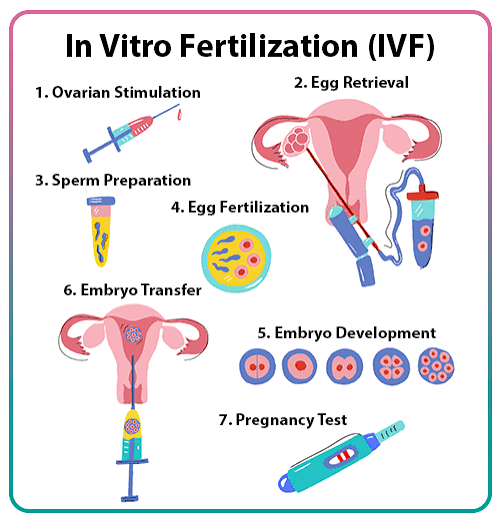 This is often considered the “gold standard” for safety. Your eggs are retrieved and fertilized with your partner’s sperm, but the embryo is carried by another woman with a healthy uterus.
3. In-Vitro Fertilization (IVF)
Some women attempt IVF using their own uterus. Success depends heavily on whether enough functional uterine lining has regenerated.
4. Tubal Reversal Surgery
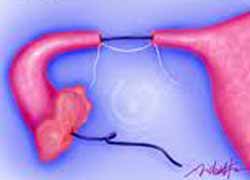 For women who want a natural path to pregnancy, tubal reversal surgery is an option. If you are still having regular periods, it is a sign that some of your uterine lining has regrown, making you a potential candidate.
For many patients who have had endometrial ablation, the thinning or destruction of the lining is incomplete, and often there is enough healthy endometrial lining to support a future pregnancy. This can be evidenced by regular cycles, and also by having a hysteroscopy to assess the lining visually (by an Ob/Gyn surgeon).
The Importance of Expert Evaluation
Deciding to pursue pregnancy after an ablation is a serious choice. It requires a supportive medical team that can help you navigate the risks. While there are many success stories of healthy babies born after ablation, each case is unique.
Take the Next Step Toward Your Dreams
 At A Personal Choice, we specialize in helping women reclaim their fertility. Dr. Harris and his team provide expert consultations to determine if tubal reversal is the right choice for your specific situation. This is always done prior to scheduling surgery, to ensure one is the right candidate for this procedure.
Contact us today at (919) 977-5050 or visit our website to learn more about our process and read testimonials from women who have successfully navigated pregnancy after ablation.