Search Results for: "one tube"
December 22, 2007 · No Comments
Tubal Anastomosis at the Uterine Cornua Tubouterine anastomosis is a tubal reversal procedure that is intermediate between tubotubal anastomosis and tubouterine implantation. It is also called cornual anastomosis because the tube is joined to the cornual area of the uterus with this operation. The cornu is the area where the fallopian tube normally emerges from […]
Read More
December 16, 2007 · No Comments
Tubal Reversal Scholarly Publications Early Experimental Studies in Animals In 1969, David, Brackett and Garcia (1) reported using microsurgical techniques for uterotubal anastomosis after removing the uterotubal junction from one side in 25 rabbits. Among 11 (44%) of the animals that became pregnant, fewer implantations occurred on the operated side than on the unoperated side. […]
Read More
December 12, 2007 · No Comments
Tubal ligation was intended to be permanent. Circumstances can change and women with tied tubes may want more children. When this happens, they often are told that treatment by in vitro fertilization (IVF) is their only option. In reality, tubal reversal is the best choice. Comparing Tubal Reversal and IVF Once the fallopian tubes are repaired by tubal reversal surgery, there is […]
Read More
December 03, 2007 · No Comments
Tubouterine Implantation: Best Procedure For Proximal tubal blockage Implantation of the fallopian tube is inserting the tube through a new opening into the uterus. Tubouterine implantation is correct medical terminology, but it is also called tubal implantation, uterotubal implantation, or uterine implantation. Most tubal ligation operations leave two fallopian tube segments that can be reconnected. […]
Read More
December 02, 2007 · No Comments
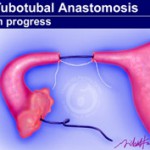
Tubal Reversal Procedures There are 3 types of tubal reversal procedures: anastomosis – (today’s blog topic) implantation salpingostomy Anastomosis of Fallopian Tubes Anastomosis connects two body parts. Tubotubal anastomosis is connecting two segments of the fallopian tube. Tubotubal anastomosis is correct medical terminology, but it is also called tubal anastomosis for short. Bilateral tubal anastomosis […]
Read More
November 29, 2007 · No Comments
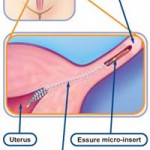
What is Essure? Essure is a permanent birth control device that has recently become available as an alternative to traditional tubal ligation methods. The spring-like device is inserted through the uterine cavity into the tubal openings using a hysteroscope. This can be done as an in-office procedure. The device expands to fill the tubal opening […]
Read More
November 27, 2007 · No Comments
Pomeroy Technique of Tubal Ligation and Resection The most common type of tubal ligation is the Pomeroy procedure, named after Dr. Ralph Pomeroy who described it in 1930. The Pomeroy method involves picking up a segment of the fallopian tube to create a knuckle, placing a tie or ligature with absorbable suture around its base, […]
Read More
November 26, 2007 · No Comments
Our Tubal Reversal Center is Unique Dr. Berger is the only physician in the country with a practice that is specifically limited to tubal reversal surgery. That is the only procedure performed here with Dr. Berger performing four reversals each day, five days a week. We have a high staff/patient ratio with one or two […]
Read More
November 25, 2007 · No Comments
About Me Sometimes patients ask about my background and why I became a tubal reversal doctor. (It’s a fair question, since I ask them what made them decide to have a tubal reversal.) I usually tell them about my first year after medical school when I was an intern in medicine at Duke University Hospital […]
Read More









 Birth Announcements
 Birth Announcements
 Birth Announcements
 Birth Announcements
 Birth Announcements
 Birth Announcements
