








Tubal Reversal Candidacy: How Age, Surgery Types, and Diagnostic Imagery Determine your Success in Restoring Fertility
 Deciding to grow your family after a tubal ligation is a significant and often emotional step.
At A Personal Choice, Dr. Paul Harris understands that life circumstances change, and the desire to conceive naturally again is a powerful one.
Many women wonder if they are a “good candidate” for tubal reversal surgery.
While every individual is unique, eligibility typically comes down to three main factors: your age,
the findings from diagnostic imagery, and
the specific type of tubal ligation you originally received.
Understanding Your Age and Ovarian Reserve as it Relates to Tubal Reversal Candidacy
Age is one of the most important factors in determining the success of a tubal reversal. This is not because the surgery itself is harder to perform as you get older, but because female fertility naturally declines over time due to a decrease in both the quantity and quality of eggs, known as the ovarian reserve.
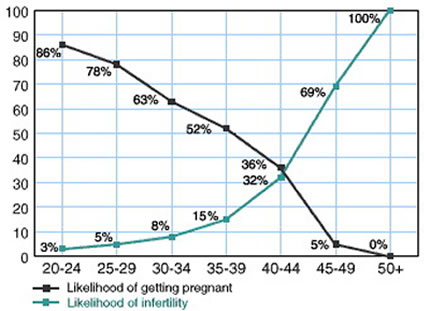 While there is no strict age “cutoff” for surgery at our center, we prioritize transparency.
For women in their 20s and 30s, pregnancy success rates are statistically higher.
As women move into their 40s, we may recommend blood tests to check hormone levels, such as Anti-Mullerian Hormone (AMH) or Follicle Stimulating Hormone (FSH), to ensure that your ovaries are still producing eggs. Having regular menstrual cycles is a good indicator that one is still ovulating consistently.
Remember, it only takes one healthy egg and one open tube to conceive naturally.
The Role of Imagery: The HSG and Operative Reports for Tubal Reversal Candidacy
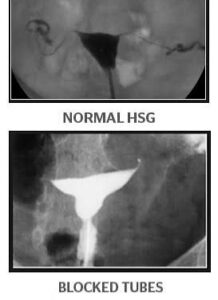 To determine if a reversal is possible, we need to understand the current state of your fallopian tubes. This is where “imagery” and documentation come in.
- Operative Reports: The most helpful piece of information is the surgical report from your original tubal ligation. This tells us exactly how much of the tube was removed or damaged. This may be all we need to make a clear recommendation.
- Pathology Reports: These reports, again from the original tubal ligation surgery, gives objective measurements to how much tube was removed (only needed in cases where part of the tubes were removed, not for burning, or clips, or rings, as a tubal method)
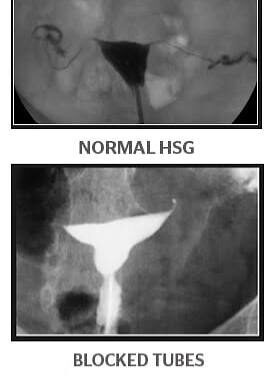
- Hysterosalpingogram (HSG): If an operative report is unavailable, an HSG—a specialized X-ray using dye—can show us the length of the remaining segments of the tubes attached to the uterus. We look for at least a few centimeters of healthy tubal tissue to ensure a successful reconnection. If too much of the tube was removed, the chance of a successful reversal decreases.
Surgery Types: How Your Tubes Were Tied Matters to Ensure Tubal Reversal Candidacy
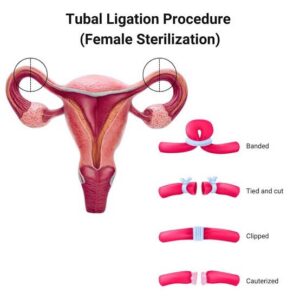 The method used to “tie your tubes” significantly impacts your candidacy.
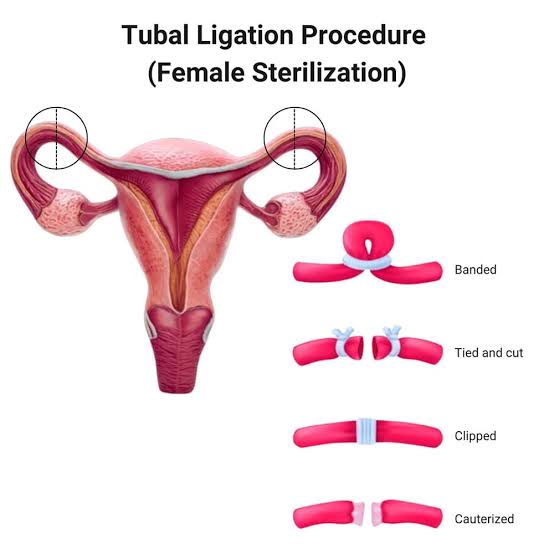
- Tubal Clips or Rings: These methods (like Hulka Clips or Filshie Clips) typically cause the least amount of damage, leaving a large amount of healthy tube to work with. These patients are often the best candidates.
- Cauterization (Burning): This method can be variable. If only a small segment was burned, a reversal is often very successful. If the entire tube was cauterized, there may not be enough tissue left.
- Resection (Cutting and Tying): Common methods like the Pomeroy technique involve removing a small loop of the tube. These are generally very reversible. Some gynecologists remove a large section of the tubes, or all of the tubes. This would be apparent in the operative and/or pathology reports, if available for review.
- Fimbriectomy: This involves removing the end of the tube near the ovary. While more challenging, new surgical techniques allow for a repair ( a re-creation of the fimbria opening), though success rates vary.
- Essure or Adiana: These techniques block the tubes at the junction with the uterus, and would involve a tubo-uterine implantation for reversal. Although also challenging, it shares good success.
Taking the Next Step
 Being an eligible candidate is a combination of your biological health and the physical remnants of your fallopian tubes. Our team specializes in reviewing these factors to provide you with an honest assessment of your chances for a successful pregnancy.
Contact Us Today
Are you ready to find out if you are a candidate for fertility restoration? At A Personal Choice, we are dedicated to helping you expand your family through expert tubal reversal surgery. Call us today at (919) 977-5050 or visit our website to schedule your personal consultation and take the first step toward your new chapter.
@apersonalchoice Ever wondered if you’re a good candidate for tubal reversal surgery? Send us your medical records for a FREE consultation over the phone! Here’s how -> ##APersonalChoice##TubalReversal##TubalLigation##EssureReversal##ttcjourney ♬ original sound – A Personal Choice 🩵🤎