







Tubal Reversal Recovery: Day-By-Day
 One of the biggest fears women have before tubal reversal surgery is not the surgery itself. It is the recovery. Many women imagine being stuck in bed for weeks, unable to walk comfortably, care for their children, return to work, or manage normal household tasks. Some picture a recovery similar to a C-section or a large open abdominal surgery. Others worry the pain will be intense, sharp, or unmanageable.
These fears are understandable. If you have read personal stories online, especially in forums or Reddit threads, you may have seen women asking, “How bad is the pain?” or “Will I be able to take care of my kids?” or “Is this like having a C-section again?” The truth is that tubal reversal recovery is usually much more manageable than many patients expect, especially when the procedure is performed using a specialized, minimally invasive approach or a small mini-laparotomy incision.
At A Personal Choice Tubal Reversal Center in Raleigh, NC, Dr. Harris and our team understand that pain and downtime matter. You are not only thinking about surgery. You are thinking about your real life: your children, your job, your home, your travel plans, and your emotional readiness to begin trying for another baby.
Is Tubal Reversal Recovery Like a C-Section?
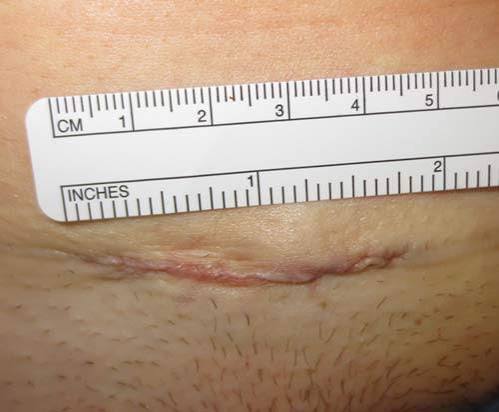 Not usually. A C-section is a major abdominal surgery that involves delivering a baby through the abdomen and uterus. Recovery can be more intense because the body is healing from surgery while also recovering from pregnancy, childbirth, blood loss, hormonal changes, and caring for a newborn. Tubal reversal is different. The goal is to carefully reconnect the fallopian tubes so natural conception may be possible again. In many cases, this can be done through a much smaller incision than traditional open abdominal surgery.
A mini-laparotomy, for example, uses a small lower abdominal incision rather than a large vertical or C-section-style incision. Some surgeons may also use minimally invasive techniques depending on the patient’s anatomy, medical history, and surgical plan. This is how Dr Harris performs his tubal reversal surgeries here at A Personal Choice. Smaller incisions generally mean less tissue disruption, less visible scarring, and a more focused recovery. That does not mean there is no discomfort. Tubal reversal is still surgery. But for many women, the recovery feels more like soreness, tightness, pulling, bloating, or a dull ache rather than the severe pain they feared. Every patient heals differently, but many women follow a general recovery pattern.
The Day of Surgery
You may feel groggy from anesthesia and notice soreness in your lower abdomen. The incision area may feel tight or tender, especially when changing positions, coughing, laughing, or standing up. This is normal after abdominal surgery. You will need someone to drive you and help you during the first day. Most patients should plan to rest, hydrate, eat light meals, and follow their post-operative instructions carefully.
Tubal Reversal Recovery: Days 1–3
These are often the most uncomfortable days. You may feel sore when getting in and out of bed, walking, or using your abdominal muscles. Some women describe the feeling as similar to doing a hard abdominal workout, while others feel more incision tenderness. There may also be uterine cramping, like bad menstrual cramps. Gentle walking is usually encouraged because it helps circulation and can reduce gas discomfort. You should avoid heavy lifting, strenuous activity, and overdoing household tasks. This is the stage where support at home is most helpful, especially if you have young children.
Tubal Reversal Recovery: Days 4–7
 Many patients begin to feel noticeably better during this period. You may still move more slowly, but walking around the house, showering, eating normally, and doing light activity often become easier. You may still feel tired. That does not mean something is wrong. Your body is healing internally, even if the incision looks small on the outside. Some women with desk jobs may feel ready to return to light work within about a week, depending on how they feel and what their doctor recommends. Jobs that involve lifting, long hours on your feet, or physical labor may require more time. You can start driving 5 or more days after surgery.
Tubal Reversal Recovery: Week 2
By the second week, many women feel much more like themselves. Tenderness may still come and go, especially at the incision site, but the sharpest discomfort is often improved. This is also when some patients become tempted to do too much too soon. It is important to remember that feeling better does not always mean you are fully healed. Continue following your activity restrictions, especially around lifting, exercise, and intercourse.
Tubal Reversal Recovery: Weeks 3–4
Most patients are gradually returning to normal routines by this point, though healing timelines vary. Your doctor will let you know when it is safe to resume exercise, heavier activity, and trying to conceive.
A Realistic but Reassuring Perspective of Tubal Reversal Recovery
Tubal reversal recovery is not painless, but it is often far less intimidating than patients imagine. The discomfort is usually temporary, and the most intense soreness often improves within the first several days. For many women, the emotional relief of finally taking a step toward another baby outweighs the short recovery period.
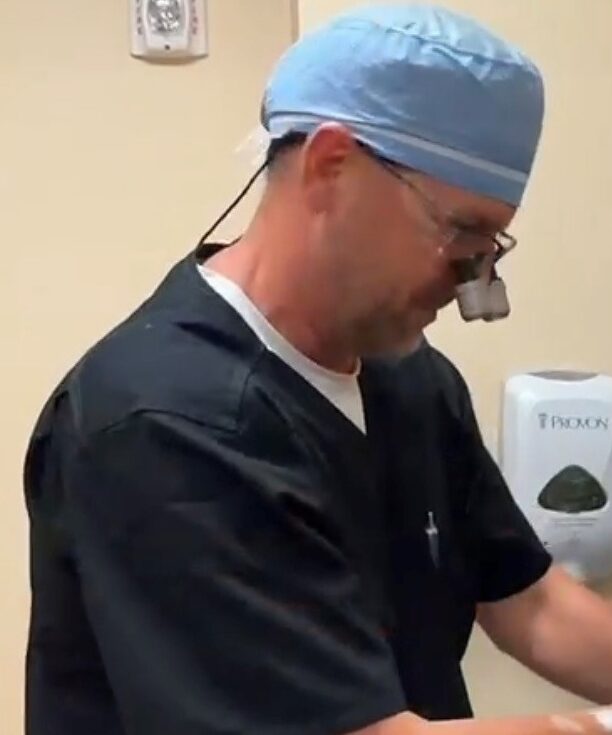 At A Personal Choice Tubal Reversal Center in Raleigh, NC, Dr. Harris provides specialized tubal reversal care with attention to both surgical precision and patient comfort. Our team knows that you may arrive with anxiety, past medical fears, or worry about being judged for wanting another child after tubal ligation.
You will not be dismissed for asking practical questions about pain, downtime, childcare, work, or travel. These questions matter. If fear of recovery has been holding you back, you deserve clear answers. Tubal reversal is surgery, but it does not have to feel mysterious or overwhelming. With the right information, the right surgical team, and a realistic recovery plan, many women find the process much more manageable than they expected.
Your body needs time to heal. Your heart may already be ready for the next chapter. We invite you to follow Dr. Harris on his TikTok account where you will get to know him a little and he answers the most pressing questions about tubal ligation reversal surgery here in Raleigh, NC. We also have a full library of topics to explore on our website and welcome you to visit us online.
For example, this video pertains to recovery after tubal reversal surgery:
@apersonalchoice What’s recovery like after tubal reversal? Dr. Harris helps us answer our most common recovery questions! #APersonalChoice #TubalReversal #TubalReversalBaby #DrHarrisTR ♬ original sound – A Personal Choice 🩵🤎
ACOG notes that laparoscopic procedures generally involve less pain and faster recovery than larger open abdominal surgery, and mini-laparotomy tubal reversal sources commonly describe recovery around two weeks, with many patients resuming light work sooner depending on their situation.