Search Results for: "clip reversal"
July 14, 2008 · No Comments
Dr. Gary Berger of A Personal Choice is known across the globe for his expertise in tubal reversal surgery. In a recent interview with America’s leading tubal reversal doctor, he reveals how tubal ligation reversal became his mission and why helping women untie their tubes continues to be his passion after 28 years in the field.
Read More
June 08, 2008 · No Comments
Women who want more children after tubal ligation must decide between 2 treatment options – in vitro fertilization (IVF) and tubal ligation reversal. IVF is a good treatment for couples who have unexplained infertility, severe sperm disorders, and for women with severely damaged fallopian tubes from pelvic inflammatory disease (PID). Tubal ligation reversal is a better treatment for women who have previously had a tubal ligation and who do not have any of the above indications for IVF.
Read More
May 25, 2008 · No Comments
At A Personal Choice, we want to maximize the chances for pregnancy after tubal ligation reversal for all of our patients. One step that is helpful in planning for a tubal reversal procedure is examining the pathology report from a patient’s medical record. When a tubal ligation and resection procedure has been performed, a segment of fallopian tube was removed and most likely sent to a pathologist. Therefore, a pathology report should exist in the patient’s medical record. A pathology report will help our tubal reversal doctors determine exactly what was done during a ligation and resection procedure and what your chances of tubal reversal success will be.
Read More
May 11, 2008 · No Comments
The Hulka clip tubal method of tubal sterilization is the ideal one for tubal reversal. The Hulka clip is only 7 mm in width and does not cause any inflammation of the fallopian tubes. The pregnancy rate after tubal reversal Hulka clip sterilization is 76% at A Personal Choice.
Read More
May 10, 2008 · No Comments
Fishie Clip sterilization is one of the best tubal sterilization procedures to reverse since it causes minimal damage to the fallopian tubes. Women whose tubes have been ‘tied’ by Filshie clips have a 75% pregnancy rate at A Personal Choice.
Read More
December 31, 2007 · No Comments
Patient’s History Ana G. was one of the 4 patients I operated on today at A Personal Choice. She is a 28 year old woman from Angola, the mother of 3 children – ages 9, 8, and 6. She married when she was 15 and was in an abusive marriage. To keep from becoming pregnant […]
Read More
December 16, 2007 · No Comments
Tubal Reversal Scholarly Publications Early Experimental Studies in Animals In 1969, David, Brackett and Garcia (1) reported using microsurgical techniques for uterotubal anastomosis after removing the uterotubal junction from one side in 25 rabbits. Among 11 (44%) of the animals that became pregnant, fewer implantations occurred on the operated side than on the unoperated side. […]
Read More
December 11, 2007 · No Comments
If you have had your tubes tied and would like to become pregnant again, tubal reversal surgery is probably the best option for you. Tubal ligation reversal is the most successful and cost-effective way to become pregnant for 98% of women who have had a tubal ligation and now want to have another baby. What […]
Read More
December 02, 2007 · No Comments
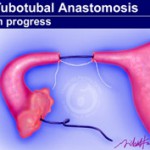
Tubal Reversal Procedures There are 3 types of tubal reversal procedures: anastomosis – (today’s blog topic) implantation salpingostomy Anastomosis of Fallopian Tubes Anastomosis connects two body parts. Tubotubal anastomosis is connecting two segments of the fallopian tube. Tubotubal anastomosis is correct medical terminology, but it is also called tubal anastomosis for short. Bilateral tubal anastomosis […]
Read More






 Birth Announcements
 Birth Announcements
 Birth Announcements
 Birth Announcements
 Birth Announcements
 Birth Announcements
