Search Results for: "fallopian tube"
July 10, 2008 · No Comments
This case report is about an IVF nurse who was familiar the pros and cons of tubal ligation reversal vs IVF. She and her husband decided ligation reversal was a more appropriate path for them. She was a knowledgeable medical professional. She understood what it meant to have a tubal ligation. Many patients of all walks of life will have changes of heart as their lives change. Even medical professionals will make health care decisions for themselves that later may turn out to not be right for them. In her case, the surgical techniques of tubal anastomosis and microsurgical salpingostomy were used to repair the fallopian tubes.
Read More
June 25, 2008 · No Comments
Dr. Gary Berger and his team at A Personal Choice give hope to hundreds of women each year looking to have another baby. Patients come to Chapel Hill from across the United States and abroad to have him perform the one-hour, outpatient microsurgical procedure he developed an refined. With the most experience in tubal reversal surgery, Dr. Gary Berger has successfully repaired the fallopian tubes in 98 percent of the women who have had a tubal ligation and want to get pregnant.
Read More
June 08, 2008 · No Comments
Women who want more children after tubal ligation must decide between 2 treatment options – in vitro fertilization (IVF) and tubal ligation reversal. IVF is a good treatment for couples who have unexplained infertility, severe sperm disorders, and for women with severely damaged fallopian tubes from pelvic inflammatory disease (PID). Tubal ligation reversal is a better treatment for women who have previously had a tubal ligation and who do not have any of the above indications for IVF.
Read More
May 25, 2008 · No Comments
At A Personal Choice, we want to maximize the chances for pregnancy after tubal ligation reversal for all of our patients. One step that is helpful in planning for a tubal reversal procedure is examining the pathology report from a patient’s medical record. When a tubal ligation and resection procedure has been performed, a segment of fallopian tube was removed and most likely sent to a pathologist. Therefore, a pathology report should exist in the patient’s medical record. A pathology report will help our tubal reversal doctors determine exactly what was done during a ligation and resection procedure and what your chances of tubal reversal success will be.
Read More
January 13, 2008 · No Comments
Patients often ask when they should have a hysterosalpingogram (HSG) to see if their fallopian tubes are open after tubal reversal surgery.
Read More
December 04, 2007 · No Comments
Salpingostomy is creating an opening in the fallopian tube. Salpingostomy is the appropriate tubal reversal procedure when the end closest to the ovary is closed and the fallopian tube has not been divided into separate segments. This is what results from a fimbriectomy tubal ligation.
Read More
October 15, 2026 · No Comments
Simply put: there are no ways of reversing tubal ligation without surgery. You have three (3) ways to get pregnant after tubal ligation. Tubal ligation failure, In-vitro fertilization, or Tubal reversal surgery.
Read More
September 15, 2026 · No Comments
Two common question among many tubal ligation patients are “Can my tubes become untied?” and “Can my tubes grow back together?”. The tubal surgery specialists of A Personal Choice answer these common questions in a brief and easy to understand format.
Read More
August 10, 2026 · No Comments
Dr Harris at A Personal Choice specializes in reversal of tubal ligation. Most of our patients have reversal to become pregnant. Some have reversal only for treatment of their symptoms.
Read More







 Birth Announcements
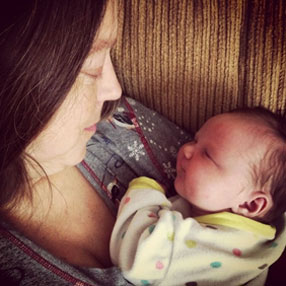 Birth Announcements
 Birth Announcements
 Birth Announcements
 Birth Announcements
 Birth Announcements

